

















Antenna GT Degradation with Inefficient Receive Antenna at HF
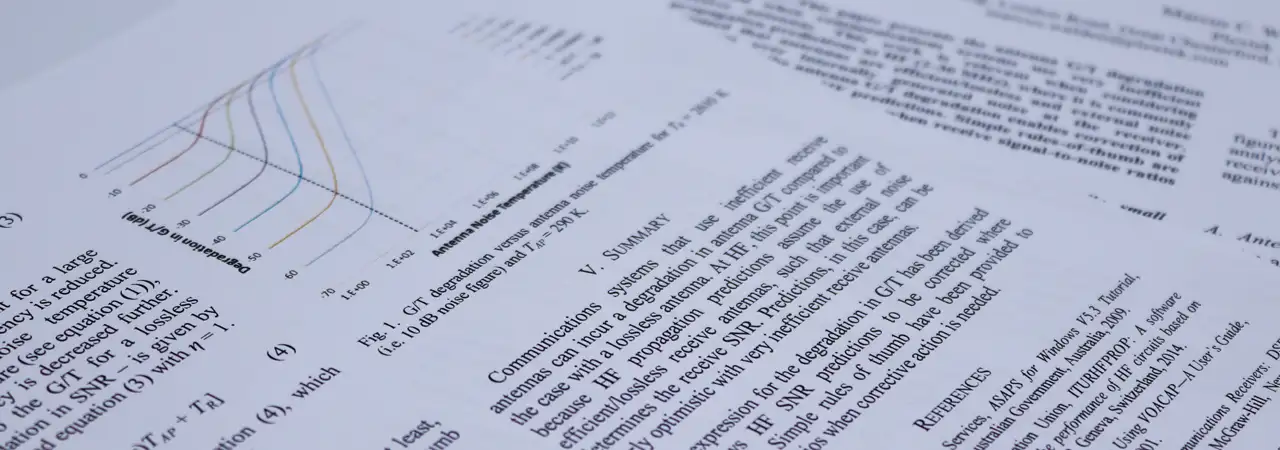
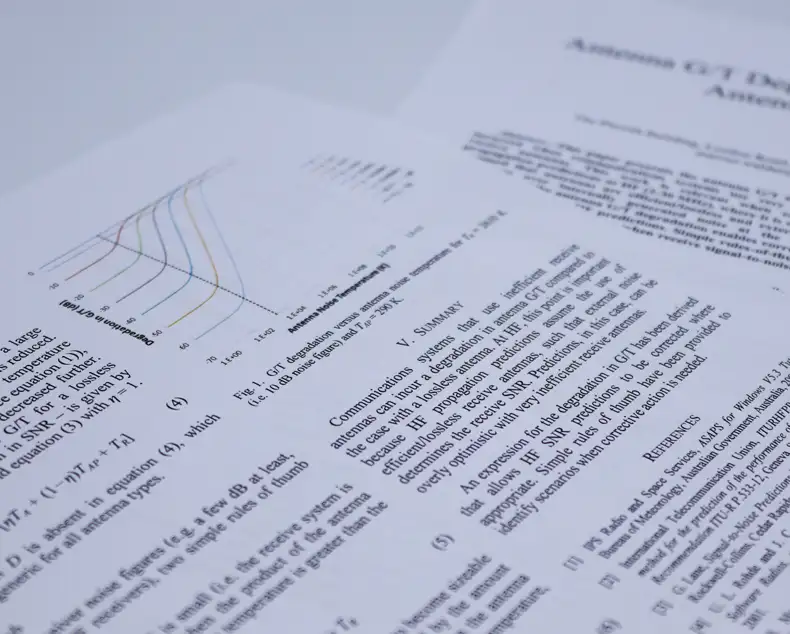
This paper presents the antenna G/T degradation incurred when communications systems use very inefficient receive antennas.
This work is relevant when considering propagation predictions at HF (2-30 MHz).
At these HF it is commonly assumed that antennas are efficient/lossless and external noise dominates over internally generated noise at the receiver.
Knowledge of the antenna G/T degradation enables correction of potentially optimistic HF predictions.
Simple rules of-thumb are provided to identify scenarios when receive signal-to-noise ratios might be degraded.
M. C. Walden, “Antenna G/T Degradation with Inefficient Receive Antennas at HF (2-30 MHz)”, IEEE International Antennas and Propagation Symposium, San Diego, CA, USA, 9–14 July 2017.
doi: 10.1109/APUSNCURSINRSM.2017.8072642
Access this Technical Paper
Custom Motor Control Solution for Connected Fitness Equipment
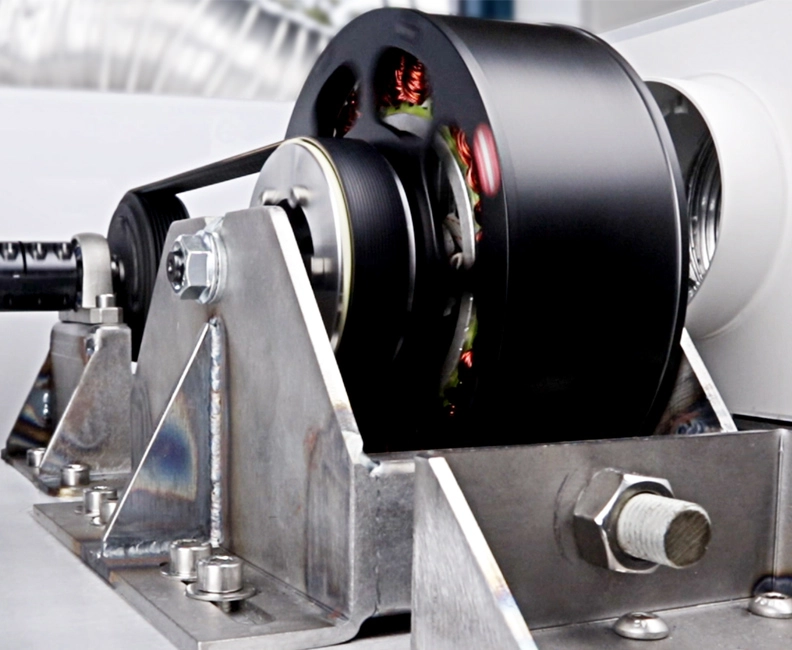
Plextek developed a bespoke BLDC motor control solution for connected fitness equipment, delivering exceptionally low torque ripple and seamless system integration.
Read More

Overcoming Training Data Bottlenecks in Thermal Imaging with Transfer Learning
Plextek's automated transfer learning approach generates labelled thermal datasets using colour camera AI models, eliminating costly manual annotation.
Read More
Using AI to Detect and Classify RF Signals in a Congested Environment
Developing AI-based RF signal classification systems, from algorithm development through to embedded real-time processing solutions
Read More

Concealed object detection for real-time parcel security screening
Concealed object detection for real-time parcel security screening with mmWave sensor design and manufacture, and real-time AI processing
Read More

Machine Learning for Rapid Propagation Assessment
Developing a groundbreaking ML model for swift and efficient coverage prediction in complex urban environments, enabling rapid optimisation of transmitter locations on standard computing hardware.
Read More
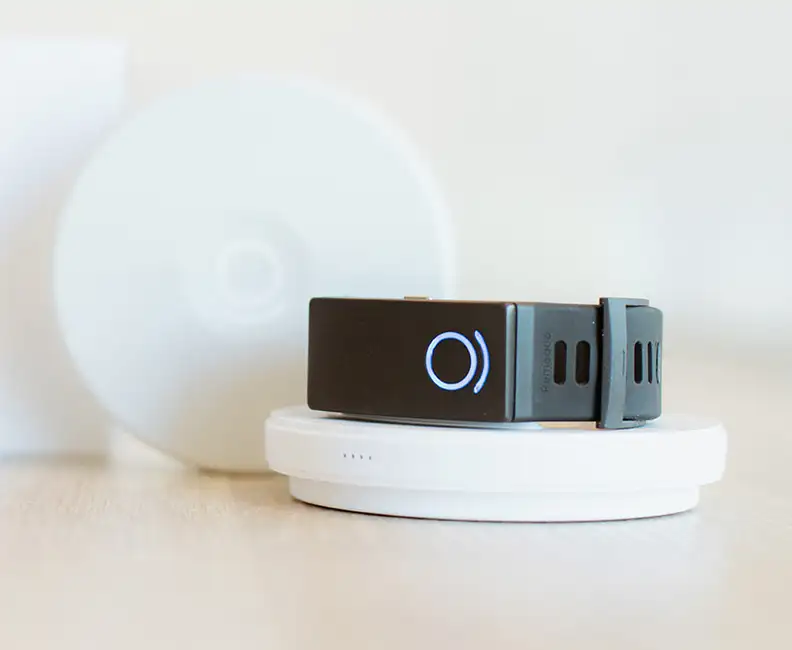
Cost-Effective Improvement in mmWave Intensity
Enhancing the mmWave antenna design for Remedee Labs, significantly boosting RF radiation efficiency and cost-effectiveness in non-pharmaceutical chronic pain treatment.
Read More

Game-Changing Radar for the CLEAR Mission
Developing vital radar technology for the CLEAR mission, advancing space debris removal techniques to safeguard operational satellites and spacecraft.
Read More
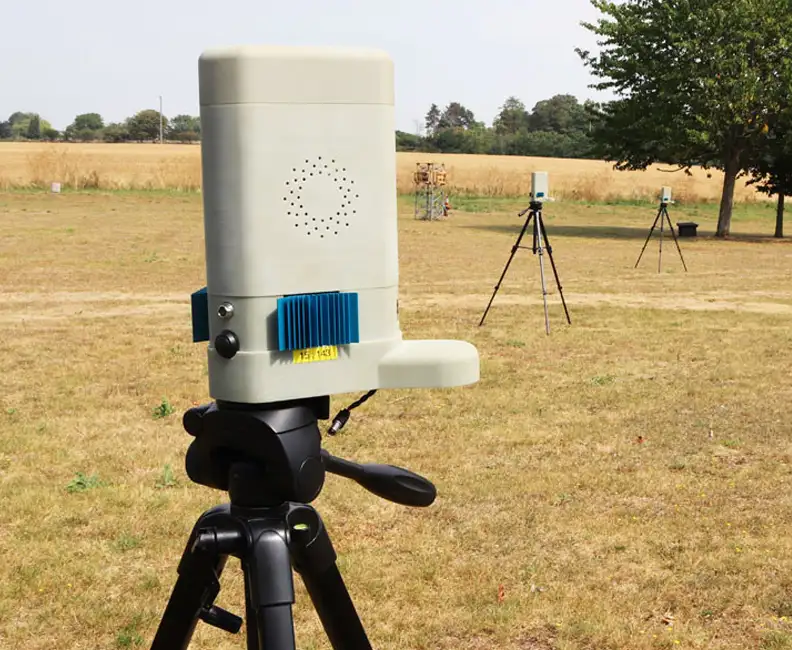
Future Sensing: Improving Mobile Ad-hoc Networks
Leading a transformative four-year research initiative to improve mobile ad-hoc networks through advanced directional antenna systems and cross-layer processing, significantly enhancing military communication capabilities.
Read More
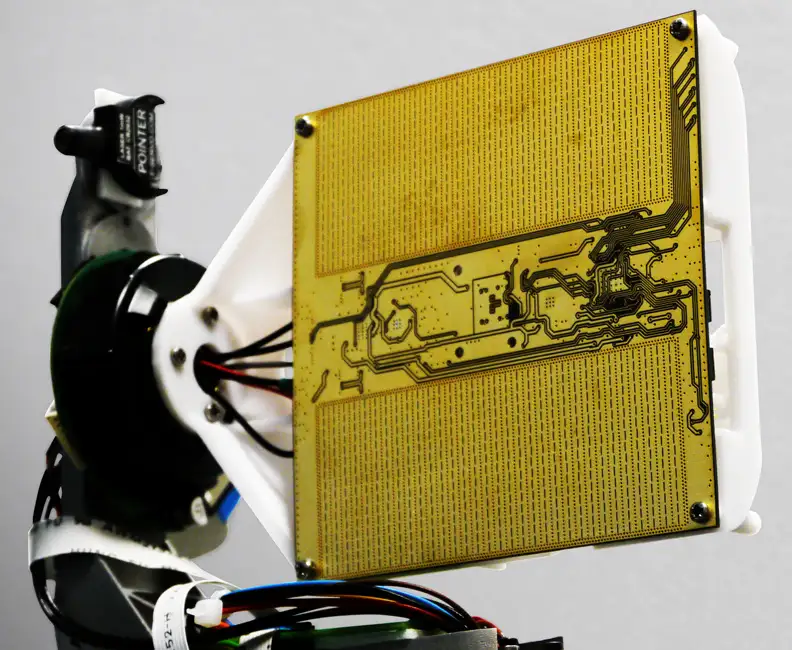
Millimetre-Wave Radar System
Expertly engineering a compact, high-performance 60 GHz millimetre-wave radar system using innovative Substrate Integrated Waveguide technology, achieving significant advancements in target detection up to 100 metres.
Read More
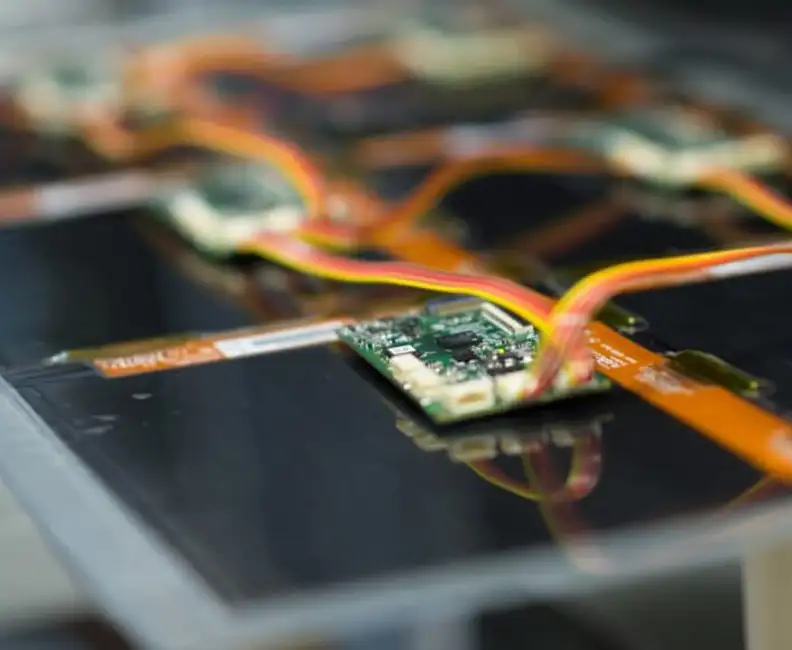
Communicating Across Surfaces
Using innovative expertise in metamaterials to facilitate the development of advanced surfaces, improving RF communication efficiency through pioneering surface wave technology for superior antenna design and wireless connectivity.
Read More
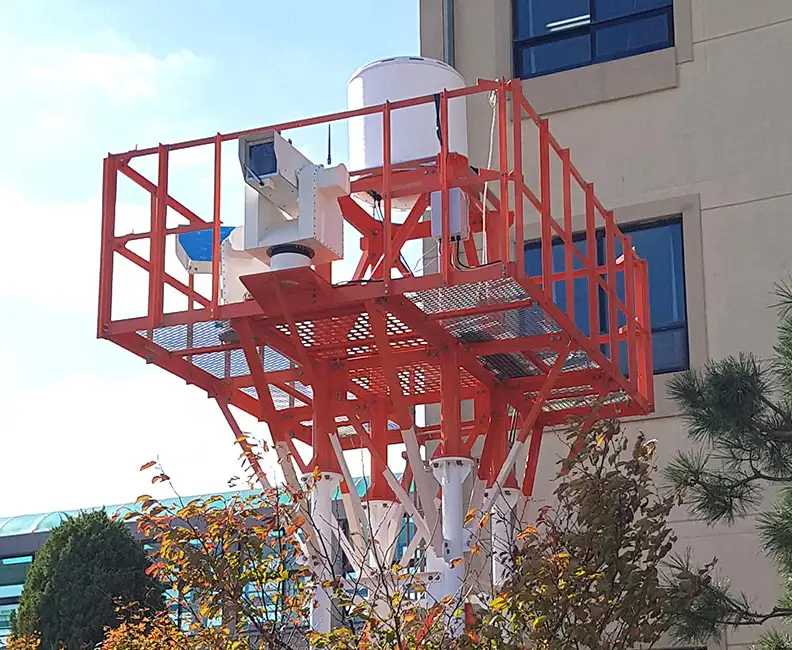
mmWave Radar for Foreign Object Debris Detection
Collaborating with WaveTech to develop an advanced mmWave radar system, enabling the rapid and automated detection of foreign object debris on runways, enhancing safety and operational efficiency at a South Korean airport.
Read More
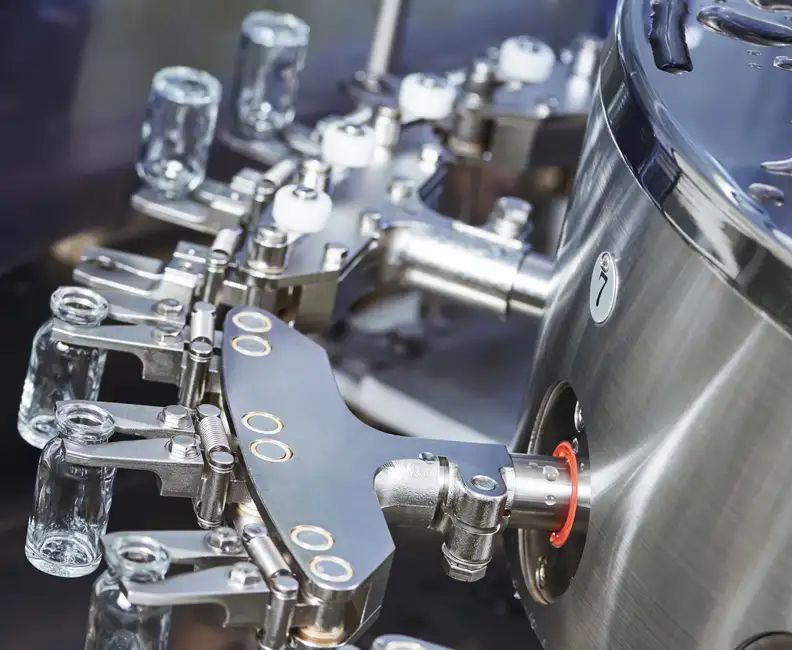
Developing Automated Manufacturing Systems
Delivering a pioneering predictive maintenance solution for a global healthcare product company, utilising miniature battery-powered sensor systems to optimise automated production lines and significantly reduce costly downtimes.
Read More