

Collision Avoidance
Advanced MIMO radar systems for precise collision avoidance
With over 35 years of radar design experience, Plextek has delivered cutting-edge radar systems across automotive, aerospace, and industrial applications. Our custom Multiple-Input Multiple-Output (MIMO) radar solutions provide the precise range, velocity, and angular measurements needed for reliable real-time collision detection in the most demanding environments.
With collisions causing devastating loss of life, serious injuries, and billions in economic costs annually, Advanced Driver-Assistance Systems (ADAS) play a vital role in preventing accidents by detecting dangers and initiating emergency braking. Unfortunately, they are not perfect and sometimes stop unnecessarily or they can fail to detect hazards, creating safety risks and reducing driver confidence in autonomous systems.
Our extensive radar development experience positions Plextek to address the critical challenge of collision avoidance. Some of Plextek’s radars are based on mechanically scanning a narrow beam across a scene while others involve simultaneously using multiple antennas to calculate angular position.
MIMO radar designs, especially in the mmWave frequency range, produce systems with improved angular discrimination capabilities in both azimuth and elevation angles. Combined with the standard radar capability to measure range and velocity this has produced radars capable of improved situational awareness.
Why collision avoidance matters
High-performance MIMO design are ideally suited as collision avoidance radars since they provide accurate angular and range information to hazards. The direct measurement of velocity via Doppler then allows time-to-collision calculations without computationally intensive processing. Since they can provide elevation as well as azimuth information, they have 3D awareness and can also be used for airborne applications.
Every sensor has advantages and disadvantages, but radar is ideally suited for efficiently measuring time to collision across a range of adverse environmental conditions

Dr Damien Clarke
Head of Data Science
What sets Plextek apart
Unlike standard radar suppliers, we can provide end-to-end collision avoidance solutions from concept to volume manufacturing.
Our unique combination of RF engineering expertise, advanced signal processing algorithms, and embedded systems integration delivers:
- Custom antenna designs optimized for your specific detection requirements
- Proprietary MIMO processing algorithms for superior angular discrimination
- Real-time embedded processing reducing system response times
- Proven track record across automotive, aerospace, and industrial markets


Talk to the experts
Crewless Flight Radar
Radar sensing to enable safe flight of crewless aircraft, and autonomous uncrewed aerial vehicles.
Crewless flight requires more than radar. As your development partner, Plextek provides end-to-end support from initial concept through to qualified systems, helping you navigate the technical complexities of sensor integration for autonomous platforms.

GPS-Denied Navigation
Global Navigation Satellite Systems such as the US Global Positioning System are increasingly vulnerable to jamming and spoofing.
Affordable, and practical technology is needed to enable systems that require positional knowledge to operate safely and reliably when GNSS is no longer available.
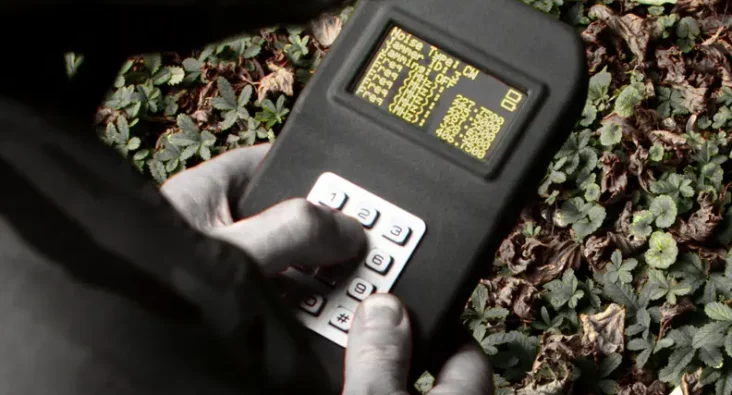
Winning the Invisible War: The Rise of Electronic Warfare
Forces must train to operate, fight, and command when the spectrum is contested.
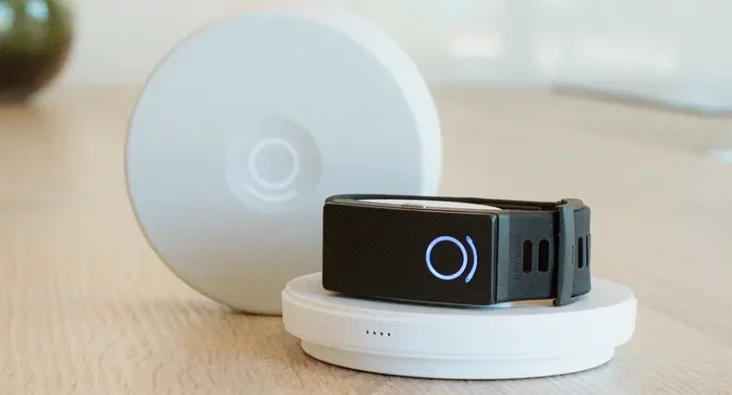
International Patent Grants for Pain Management Technology
Plextek engineers named as co-inventors on newly granted patents underpinning the first clinically validated, non-pharmaceutical wristband for chronic pain management
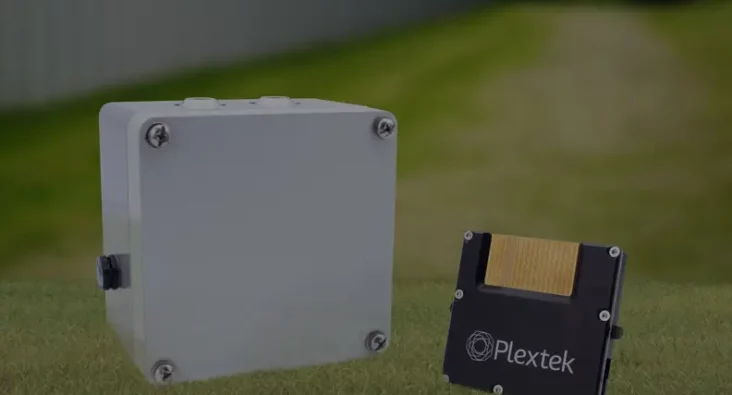
How technology transfer is reshaping sovereign security
From automotive to critical infrastructure, cross-sector technology transfer is reshaping our sovereign security
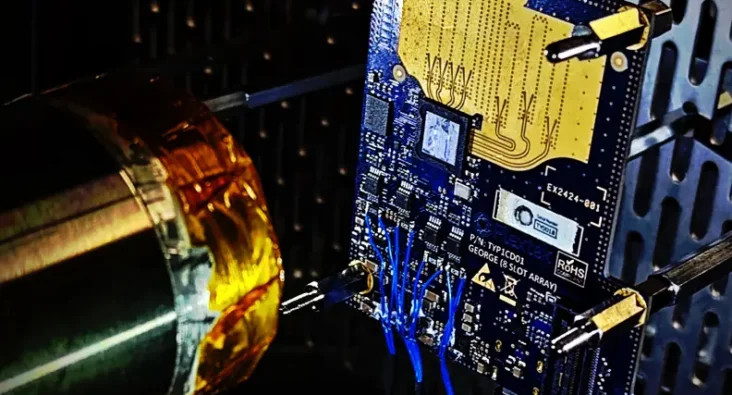
How Do You Radiation-Test a Complex IC?
Rigorous radiation characterisation is what makes the difference between a reliable device and one that fails unpredictably

Plextek Receives a King’s Award for Enterprise for Innovation 2026
Plextek has been honoured with a King's Award for Enterprise for Innovation
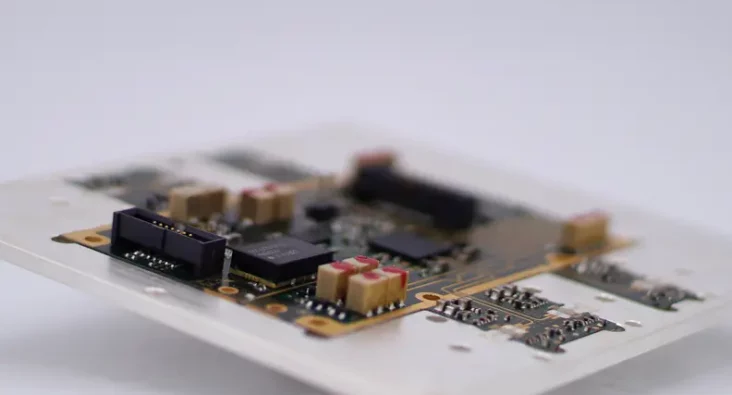
Designing sensing technology for space
Space radar has to survive radiation, shed heat without air, and work autonomously with no margin for error. Here's how the engineering trade-offs work.
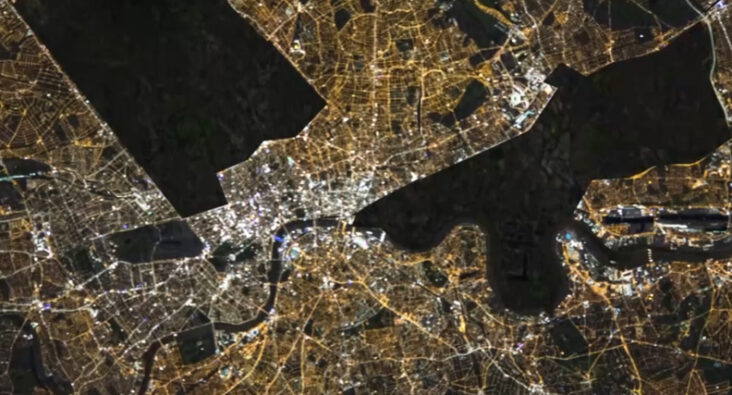
The importance of GNSS Resilience in Modern Warfare
A single day of GNSS disruption could cost the UK economy over £1.4 billion. As jamming and spoofing become tools of hybrid warfare, layered PNT resilience is no longer optional.

Seeing Clearly in Orbit: The Turning Point for Space Radar
Richard Jacklin explores why 2026 is a turning point for compact radar in space, covering SAR, debris detection, 6G NTN communications and the UK skills gap.
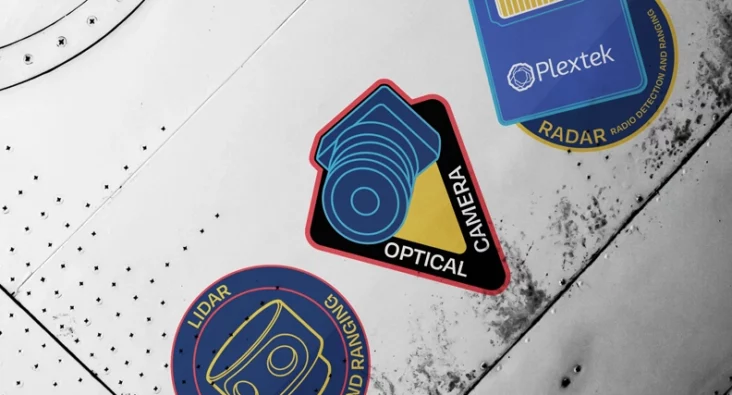
Radar in Modern Sensing: The Power of Sensor Fusion
Radar Sensor Fusion with Cameras and Lidar: Enhanced Sensing Technology for Autonomous Systems

mmWave radar: balancing resolution and practicality in space
mmWave radar offers the ideal balance for space applications, detecting small debris and spacecraft features with minimal power and no moving parts.
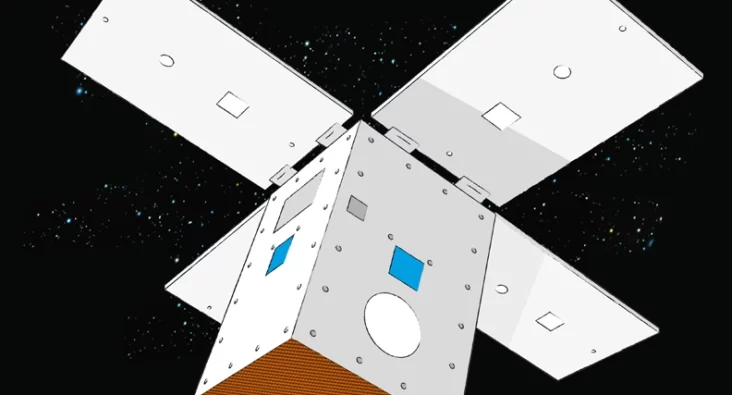
Beyond policy: how industry must deliver ESA’s Zero Debris Vision
Space needs to be kept clean, and this is becoming increasingly hard as commercial and defence activities ramp up.

How radar works
How Does Radar Work? Understanding Radar Technology and Applications with Richard Jacklin
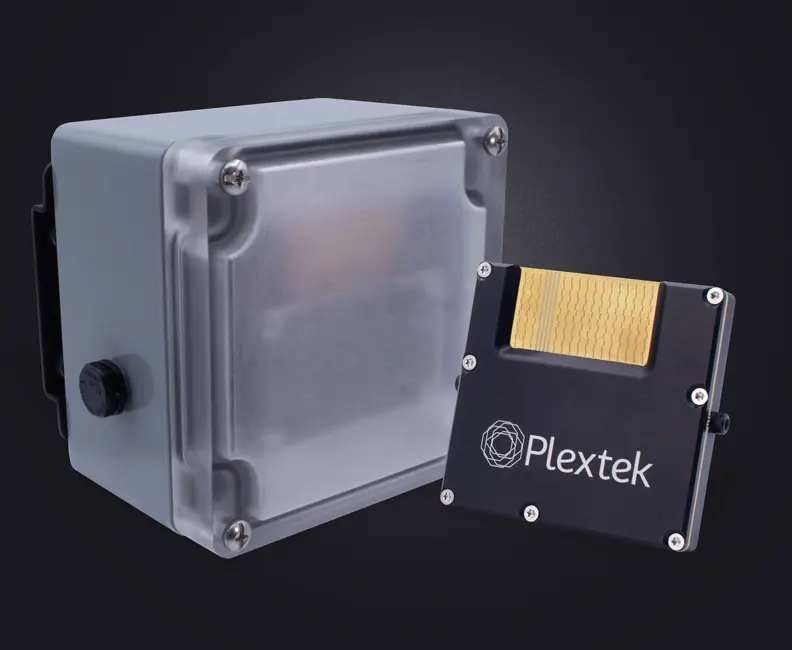
Autonomous Radar Networks for Critical Infrastructure Security
Our mmWave radar sensors integrated with AI-driven command and control to deliver autonomous, cost-effective security monitoring for UK nuclear decommissioning sites.
Read More
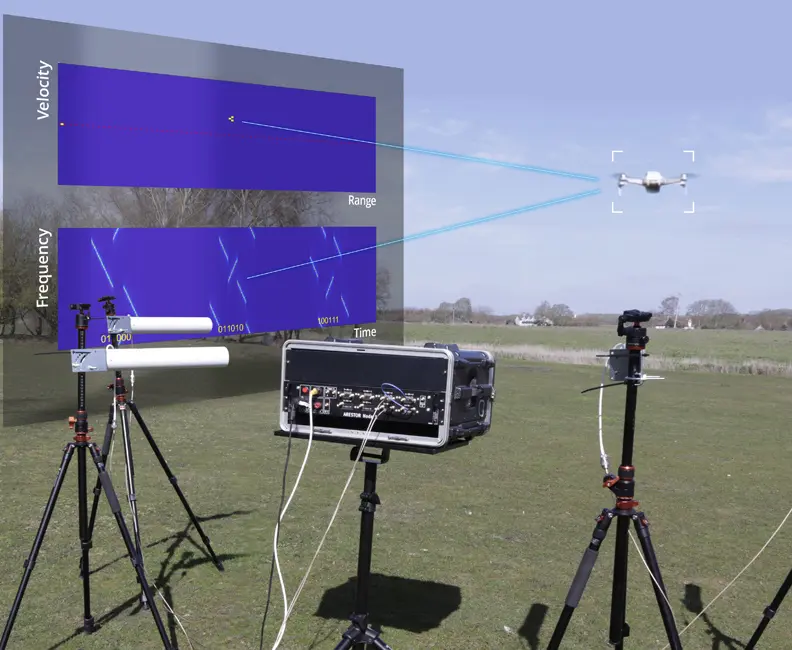
Integrated Sensing and Communication for FMCW Radar
Award winning frequency-hopping technique that embeds communication data into FMCW radar waveforms, enabling simultaneous sensing and data transmission from a single system.
Read More
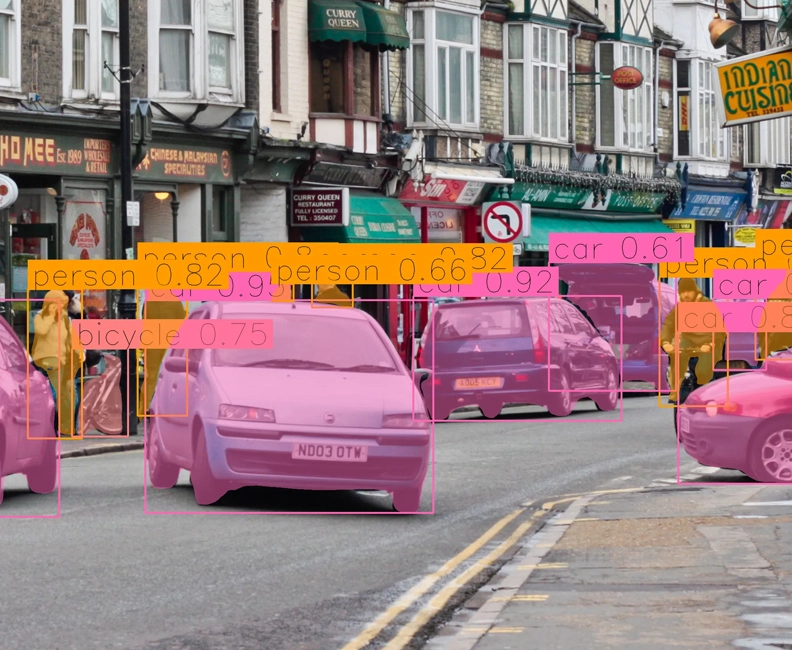
Overcoming Training Data Bottlenecks in Thermal Imaging with Transfer Learning
Plextek's automated transfer learning approach generates labelled thermal datasets using colour camera AI models, eliminating costly manual annotation.
Read More
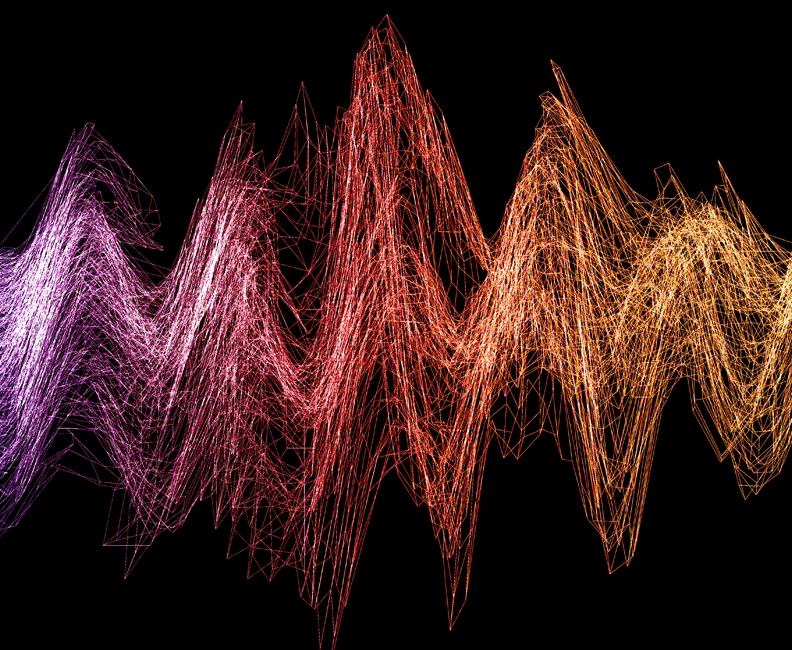
Using AI to Detect and Classify RF Signals in a Congested Environment
Developing AI-based RF signal classification systems, from algorithm development through to embedded real-time processing solutions
Read More

Concealed object detection for real-time parcel security screening
Concealed object detection for real-time parcel security screening with mmWave sensor design and manufacture, and real-time AI processing
Read More
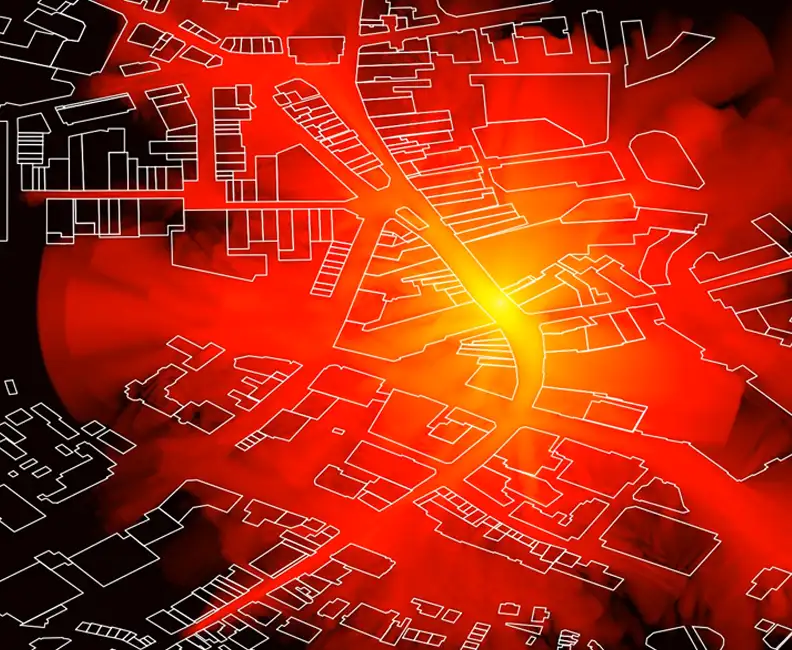
Machine Learning for Rapid Propagation Assessment
Developing a groundbreaking ML model for swift and efficient coverage prediction in complex urban environments, enabling rapid optimisation of transmitter locations on standard computing hardware.
Read More
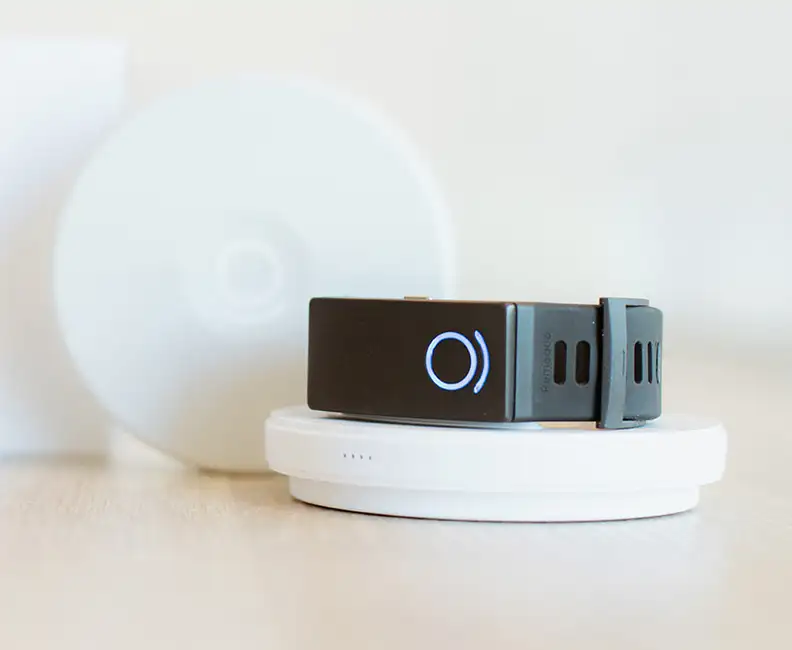
Cost-Effective Improvement in mmWave Intensity
Enhancing the mmWave antenna design for Remedee Labs, significantly boosting RF radiation efficiency and cost-effectiveness in non-pharmaceutical chronic pain treatment.
Read More
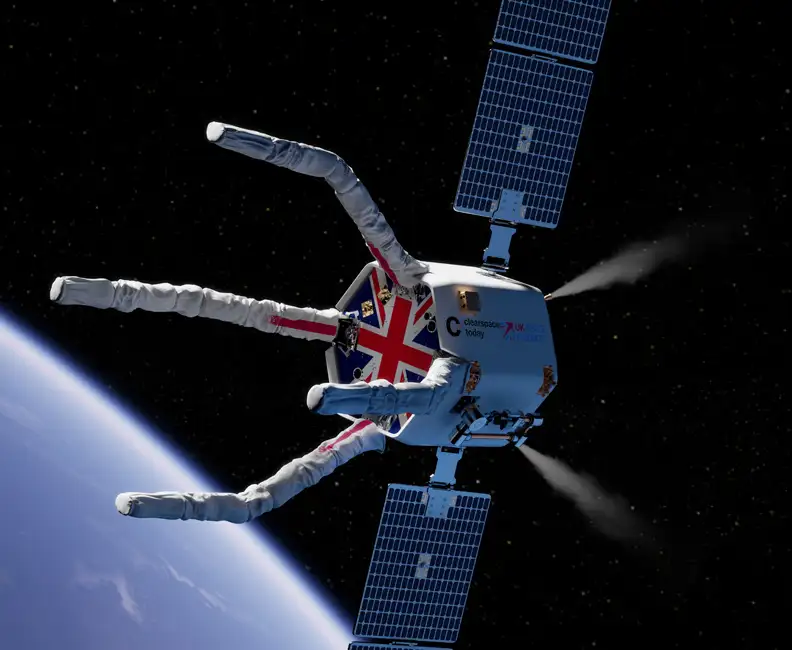
Game-Changing Radar for the CLEAR Mission
Developing vital radar technology for the CLEAR mission, advancing space debris removal techniques to safeguard operational satellites and spacecraft.
Read More
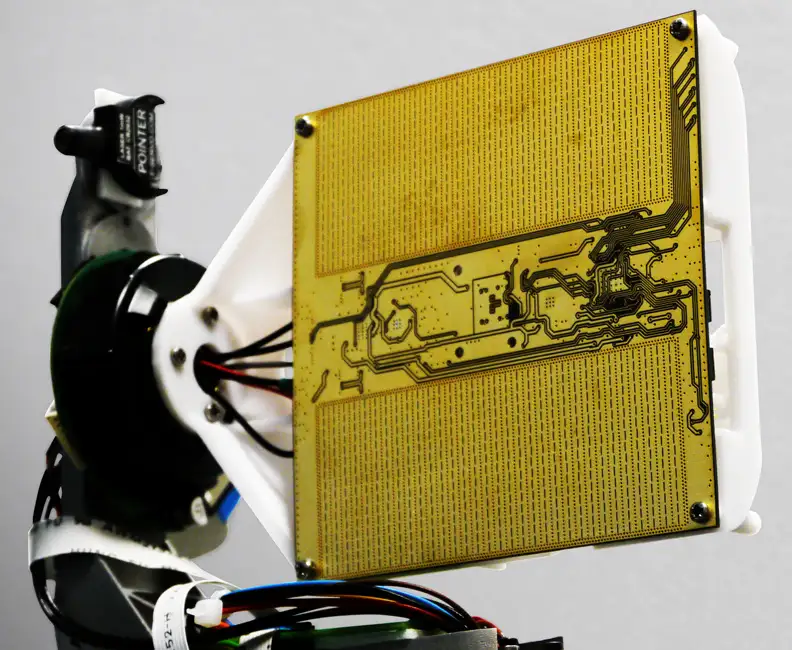
Millimetre-Wave Radar System
Expertly engineering a compact, high-performance 60 GHz millimetre-wave radar system using innovative Substrate Integrated Waveguide technology, achieving significant advancements in target detection up to 100 metres.
Read More
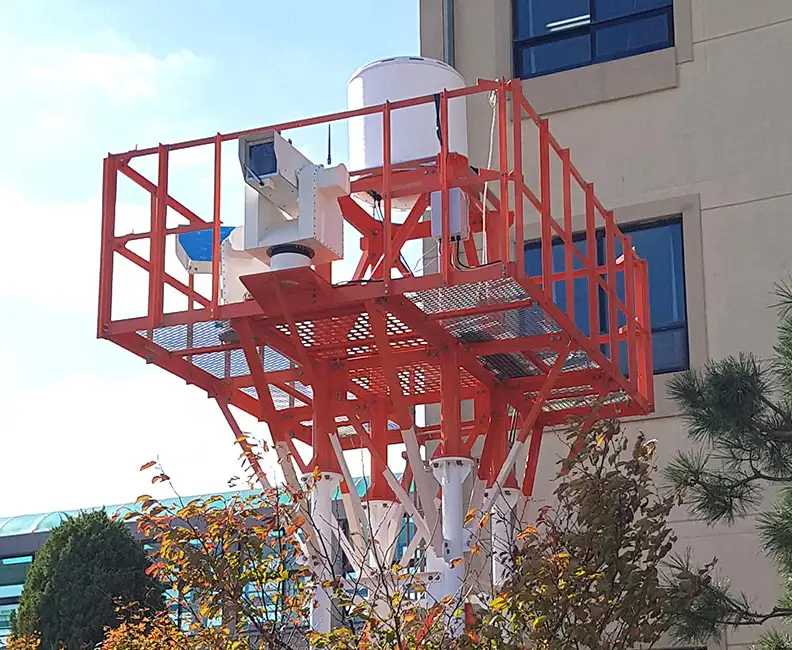
mmWave Radar for Foreign Object Debris Detection
Collaborating with WaveTech to develop an advanced mmWave radar system, enabling the rapid and automated detection of foreign object debris on runways, enhancing safety and operational efficiency at a South Korean airport.
Read More
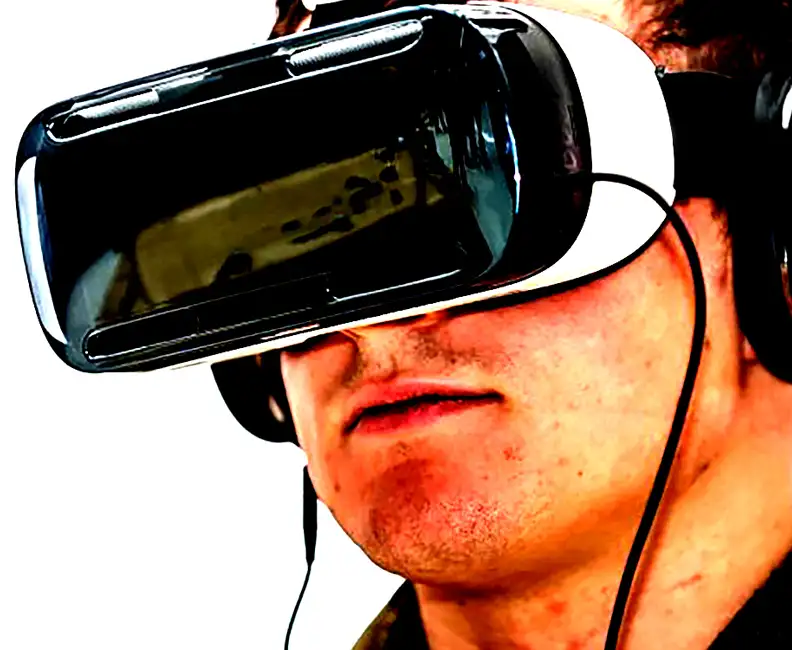
Immersive Technology for Complex Systems Training
Using the latest immersive technologies to deliver realistic and engaging training solutions for complex systems, ensuring specialist procedures are effectively imparted and measured within any environment.
Read More

Intelligent Mobility
Advancing intelligent mobility by integrating cutting-edge electronic-scanning radar technology to ensure the safe and efficient operation of autonomous vehicles in complex real-world environments.
Read More