


Written by Richard Jacklin
Commercial Lead – Space & Satellite
How radar works
We’ll start with a simple explainer of radar sensing feel free to skip this part if you are already a radar expert, and head straight to space sensing – why radar wins.
Imagine you are standing in a pitch-black room, firing rubber balls in every direction. Some will hit surfaces that bounce them straight back at you. If you know the speed and direction of the ball, and you time how long it takes to hit you (and you are good at mental arithmetic), you could work out the positions of the rebounding surfaces. Taking all those data points, you could build up a picture of the room around you.
Radar sends out electromagnetic (EM) waves rather than rubber balls, but the principle is analogous – we measure the reflections and use it to calculate the position of objects relative to the radar.
We can be more accurate than our ball firer, measuring precise positions of objects, and even features on objects, in some cases down to millimeter accuracy. We can even measure how the object is moving by looking at frequency changes in the returned wave, known as Doppler shift.
All of which of course needs a very precise signal, very precise measurement, and carefully designed algorithms that turn information embedded within the electromagnetic waves into actionable data on what is being seen, for by humans or machine decisions.
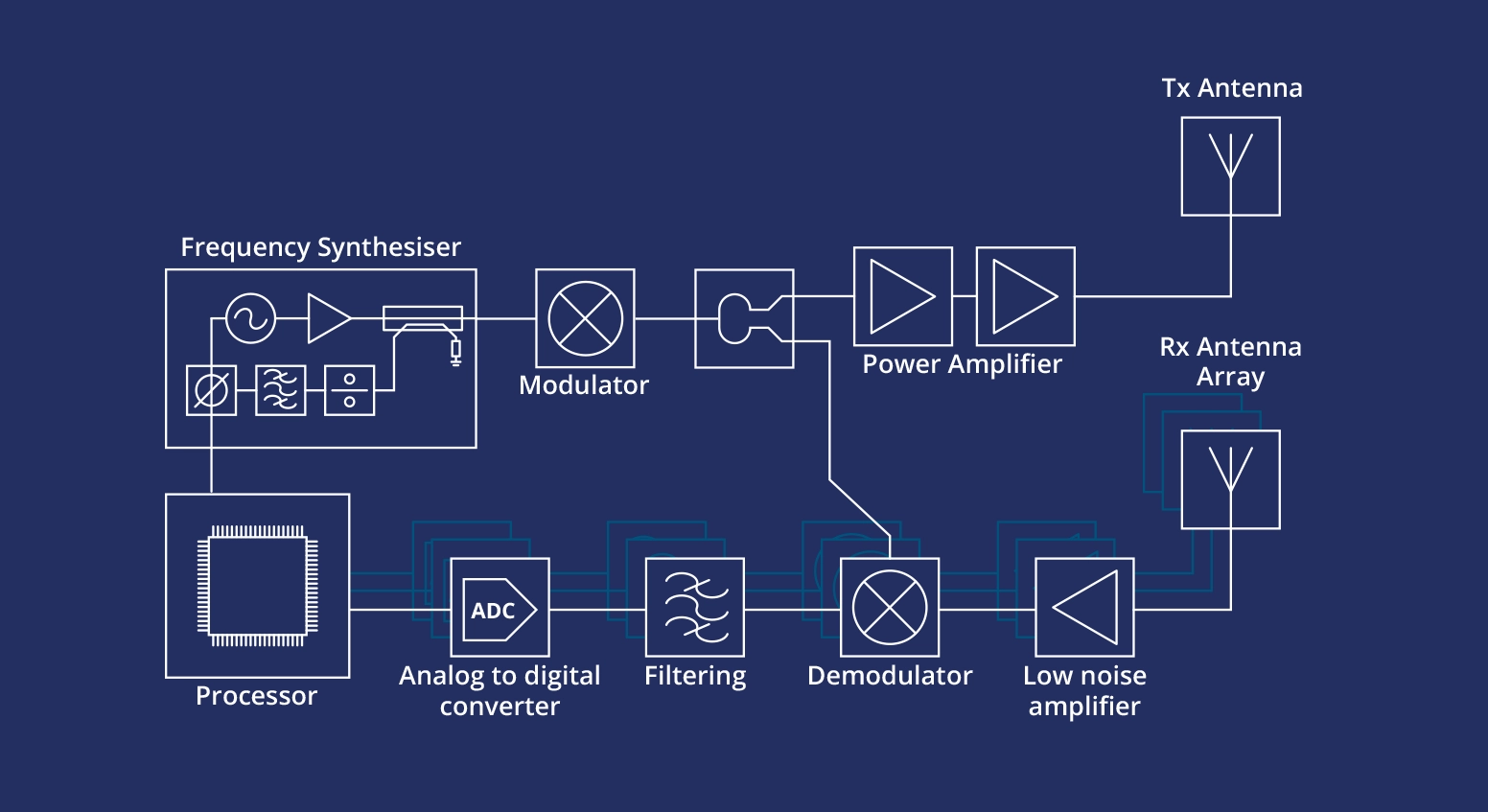
The anatomy of a radar
Ready to explore what radar can do for your application?
From concept to deployment, our team has deep expertise in designing radar systems that deliver exceptional performance whilst meeting stringent requirements for size, weight, power, and cost.
Let’s discuss how radar technology can work for you: Get in touch

Passive Radar for Detecting Aircraft Without Emitting
Passive radar aircraft detection without signal emission; solving direct path interference for silent, persistent air surveillance.
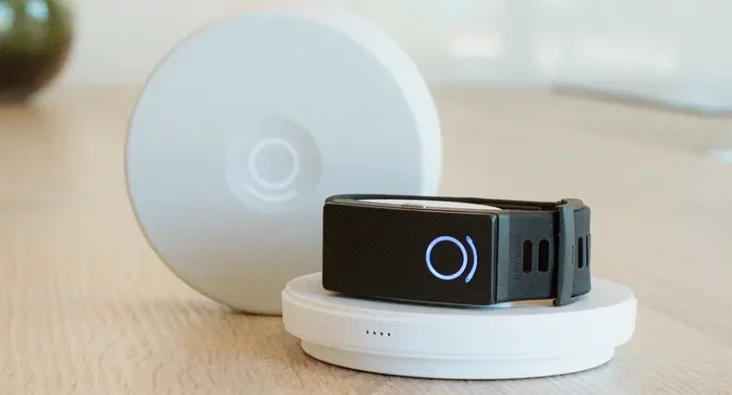
International Patent Grants for Pain Management Technology
Plextek engineers named as co-inventors on newly granted patents underpinning the first clinically validated, non-pharmaceutical wristband for chronic pain management
How technology transfer is reshaping sovereign security
From automotive to critical infrastructure, cross-sector technology transfer is reshaping our sovereign security
How Do You Radiation-Test a Complex IC?
Rigorous radiation characterisation is what makes the difference between a reliable device and one that fails unpredictably

Plextek Receives a King’s Award for Enterprise for Innovation 2026
Plextek has been honoured with a King's Award for Enterprise for Innovation
Why the Best RF Design Removes the Problem Entirely
Vlad Lenive, Lead RF Systems Engineer, brings 30 years of experience from Skynet 5 to sub-THz arrays. He talks HAPS, low-SWaP design, and why the best RF architectures eliminate components rather than shrink them.
Designing sensing technology for space
Space radar has to survive radiation, shed heat without air, and work autonomously with no margin for error. Here's how the engineering trade-offs work.

Seeing Clearly in Orbit: The Turning Point for Space Radar
Richard Jacklin explores why 2026 is a turning point for compact radar in space, covering SAR, debris detection, 6G NTN communications and the UK skills gap.
Radar in Modern Sensing: The Power of Sensor Fusion
Radar Sensor Fusion with Cameras and Lidar: Enhanced Sensing Technology for Autonomous Systems

mmWave radar: balancing resolution and practicality in space
mmWave radar offers the ideal balance for space applications, detecting small debris and spacecraft features with minimal power and no moving parts.
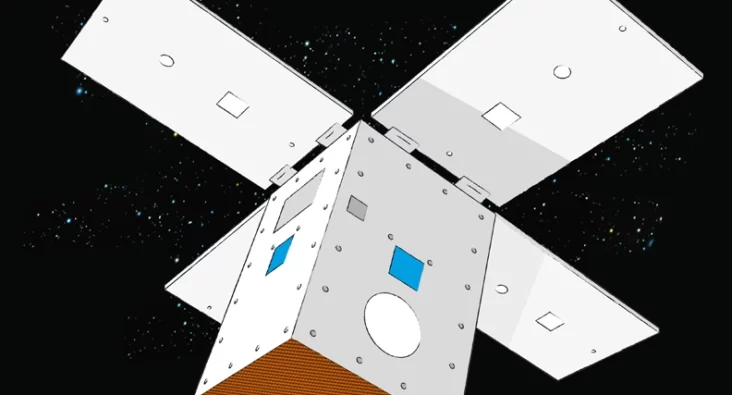
Beyond policy: how industry must deliver ESA’s Zero Debris Vision
Space needs to be kept clean, and this is becoming increasingly hard as commercial and defence activities ramp up.

How radar works
How Does Radar Work? Understanding Radar Technology and Applications with Richard Jacklin