Seeing Clearly in Orbit: The Turning Point for Space Radar



Written by Richard Jacklin
Commercial Lead – Space & Satellite
Seeing Clearly in Orbit: Why 2026 Marks the Turning Point for Space Radar
As the space sector races toward a more commercial, congested, and contested environment, 2026 will be the year small-SWaP radio and radar technology finally shifts from niche to mainstream. For years, radar was considered too heavy, too power-hungry and too complex for smaller satellites, but that era is over.
The next generation of commercial, defence, and scientific missions will depend on compact, software-defined sensing. The industry is only beginning to recognise the opportunity…
Going far with SAR
The first major trend is the rapid adoption of small-SWaP SAR (Synthetic Aperture Radar). By 2026, we will see commercial operators deploying SAR units under 20kg that still provide meaningful resolution and revisit capability. This changes the economics of Earth Observation (EO) entirely which currently represents a $5-6 Billion market. Imaging constellations will grow, driven largely by climate and environmental monitoring, defence and security, infrastructure ground movements, and disaster recovery.
At the same time, radar’s role in safety and in-orbit operations is expanding fast. From Rendezvous and Proximity Operations (RPO) manoeuvres to In-Orbit Services and Manufacturing (IOSM) missions and even lunar surface navigation, radar is becoming indispensable. Radars which can work well in eclipse, or with sun in boresight, cements their use in Low Earth Orbit (LEO) operations. What’s striking is how similar the underlying technology is: a radar capable of spotting an uncooperative satellite from kilometres away is not far from what is needed to guide a lander through dust-filled lunar descent. The differentiator is no longer hardware, it is mmWave radars for range, altitude, and doppler, in obscured or challenging environments.
Dynamic Debris Detection
Debris detection, in particular, will be an urgent priority. The ESA and UKSA will continue advancing large-object removal missions, but the aerospace industry can no longer ignore the ongoing problem of millions of debris fragments under 10cm in size orbiting the Earth at low altitudes less than 1000 km. The recent incident involving the Chinese space station was a reminder that micro-debris is now one of the greatest operational threats in LEO and small-SWaP radar is one of the few technologies capable of detecting these smaller fragments, and improving our knowledge of low earth orbits..
Clear Comms
Looking ahead to communications, 2026 will also mark the beginning of serious 6G and Non Terrestrial Network (NTN) experimentation, for consumers, enterprise, governmental and defence users. Demand for direct-to-device (D2D) satellite connectivity is exploding, but technical obstacles remain of course. Flexible air interfaces between terrestrial and space networks, interference cancellation, seamless handovers and ML-driven optimisation of early proof-of-concepts will start to shape the standards process as R&D matures in the industry.
And Finally…
Across the UK, the talent gap in high-value engineering roles remains a major constraint. Expertise in phased-array antennas, Field Programmable Gate Array (FPGA) firmware and signal processing, machine learning algorithms, and specialised space-programme management is in short supply, limiting the pace at which many organisations can innovate. Companies that fail to build and invest in these capabilities and people will struggle to compete; companies that partner smartly to plug these gaps will accelerate ahead.
The bottom line is clear: 2026 will be a turning point. Radar is no longer a bolt-on, it is becoming the backbone of safe, resilient and intelligent space operations. And the companies that embrace this shift now will define the next decade of capability in orbit.
Download one of our Technical Papers


Technical Paper – Sensing in Space


Technical Paper – Mobile Base-Station Radio Unit Design Challenges

The Engineering Behind Award-Winning mmWave Radar

Passive Radar for Detecting Aircraft Without Emitting
Passive radar aircraft detection without signal emission; solving direct path interference for silent, persistent air surveillance.
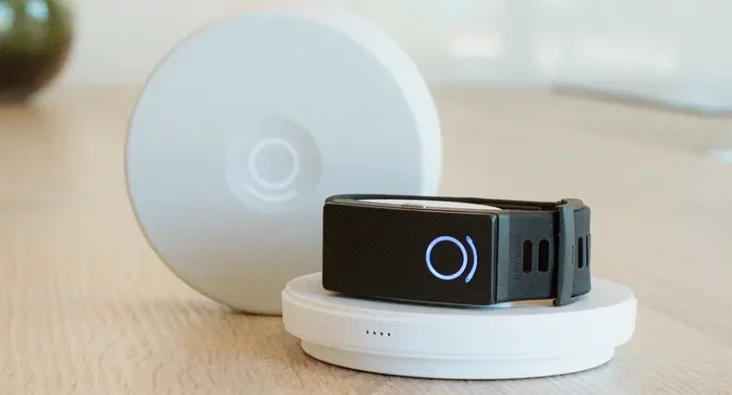
International Patent Grants for Pain Management Technology
Plextek engineers named as co-inventors on newly granted patents underpinning the first clinically validated, non-pharmaceutical wristband for chronic pain management
How technology transfer is reshaping sovereign security
From automotive to critical infrastructure, cross-sector technology transfer is reshaping our sovereign security
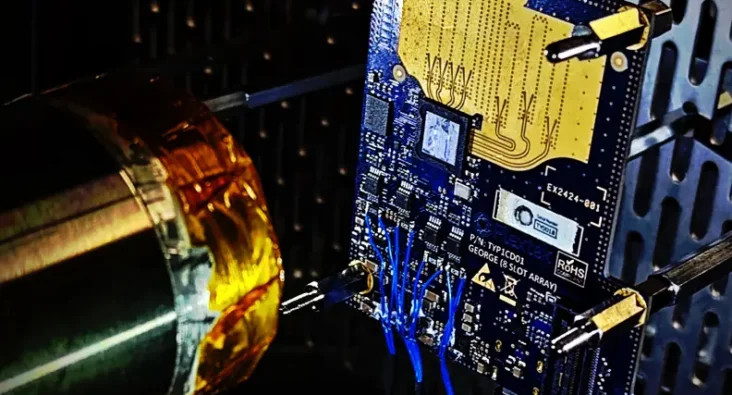
How Do You Radiation-Test a Complex IC?
Rigorous radiation characterisation is what makes the difference between a reliable device and one that fails unpredictably

Plextek Receives a King’s Award for Enterprise for Innovation 2026
Plextek has been honoured with a King's Award for Enterprise for Innovation

Why the Best RF Design Removes the Problem Entirely
Vlad Lenive, Lead RF Systems Engineer, brings 30 years of experience from Skynet 5 to sub-THz arrays. He talks HAPS, low-SWaP design, and why the best RF architectures eliminate components rather than shrink them.
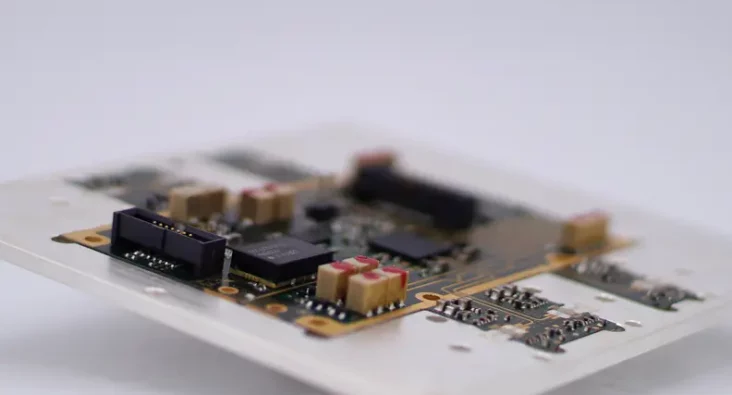
Designing sensing technology for space
Space radar has to survive radiation, shed heat without air, and work autonomously with no margin for error. Here's how the engineering trade-offs work.

Seeing Clearly in Orbit: The Turning Point for Space Radar
Richard Jacklin explores why 2026 is a turning point for compact radar in space, covering SAR, debris detection, 6G NTN communications and the UK skills gap.
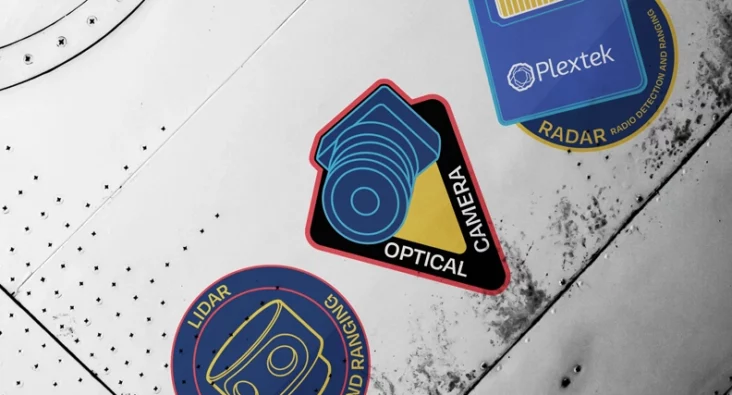
Radar in Modern Sensing: The Power of Sensor Fusion
Radar Sensor Fusion with Cameras and Lidar: Enhanced Sensing Technology for Autonomous Systems

mmWave radar: balancing resolution and practicality in space
mmWave radar offers the ideal balance for space applications, detecting small debris and spacecraft features with minimal power and no moving parts.
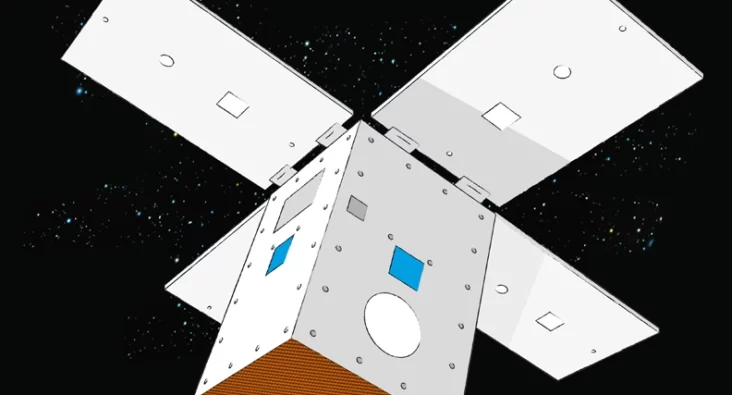
Beyond policy: how industry must deliver ESA’s Zero Debris Vision
Space needs to be kept clean, and this is becoming increasingly hard as commercial and defence activities ramp up.
Projects
View All
Autonomous Radar Networks for Critical Infrastructure Security
Our mmWave radar sensors integrated with AI-driven command and control to deliver autonomous, cost-effective security monitoring for UK nuclear decommissioning sites.
Read More
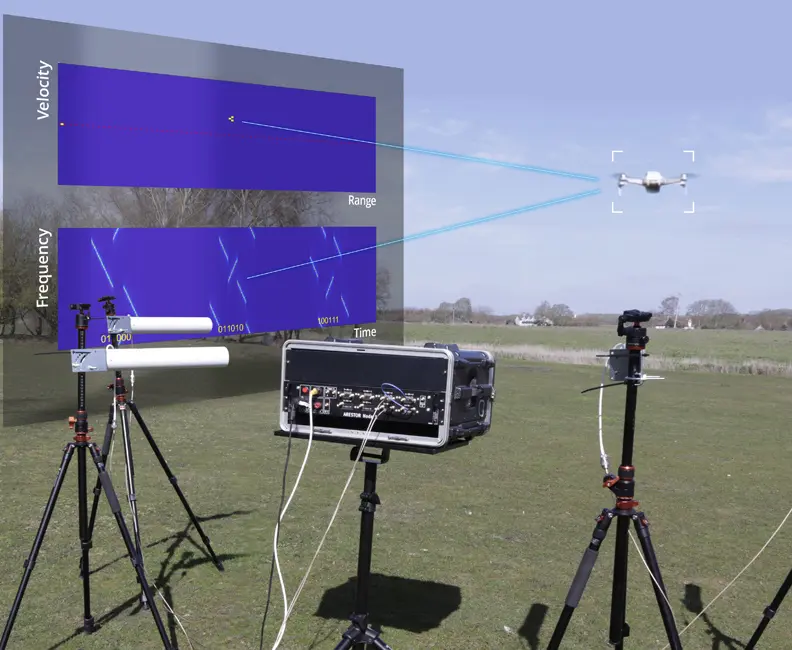
Integrated Sensing and Communication for FMCW Radar
Award winning frequency-hopping technique that embeds communication data into FMCW radar waveforms, enabling simultaneous sensing and data transmission from a single system.
Read More
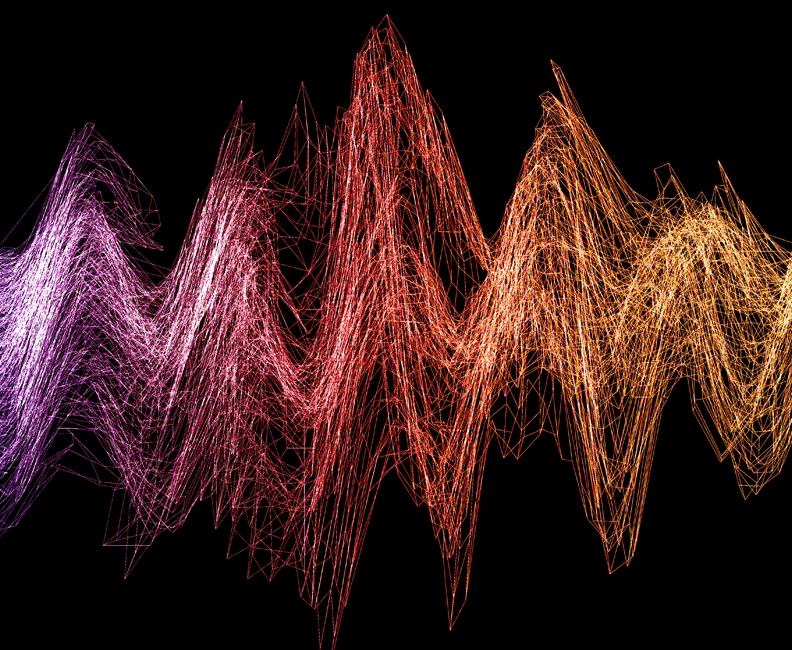
Using AI to Detect and Classify RF Signals in a Congested Environment
Developing AI-based RF signal classification systems, from algorithm development through to embedded real-time processing solutions
Read More

Concealed object detection for real-time parcel security screening
Concealed object detection for real-time parcel security screening with mmWave sensor design and manufacture, and real-time AI processing
Read More
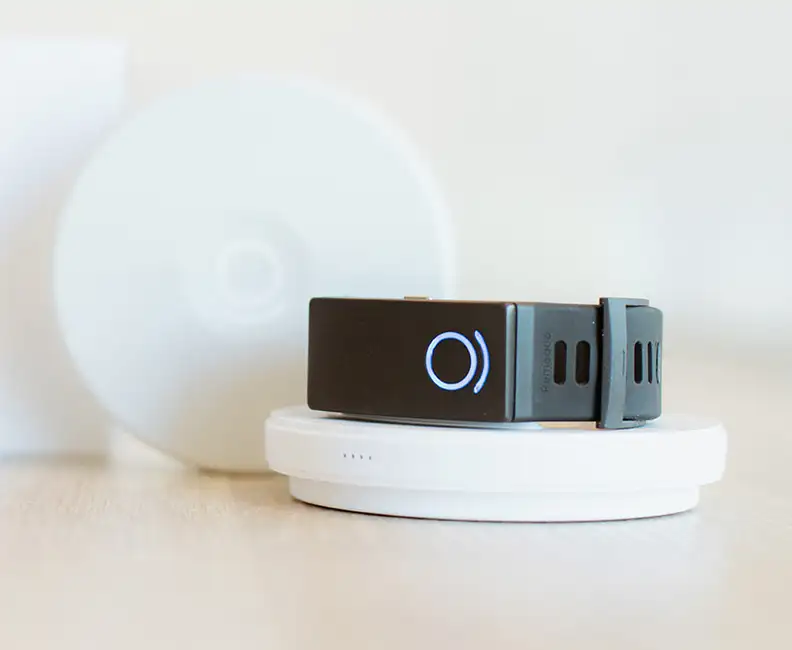
Cost-Effective Improvement in mmWave Intensity
Enhancing the mmWave antenna design for Remedee Labs, significantly boosting RF radiation efficiency and cost-effectiveness in non-pharmaceutical chronic pain treatment.
Read More
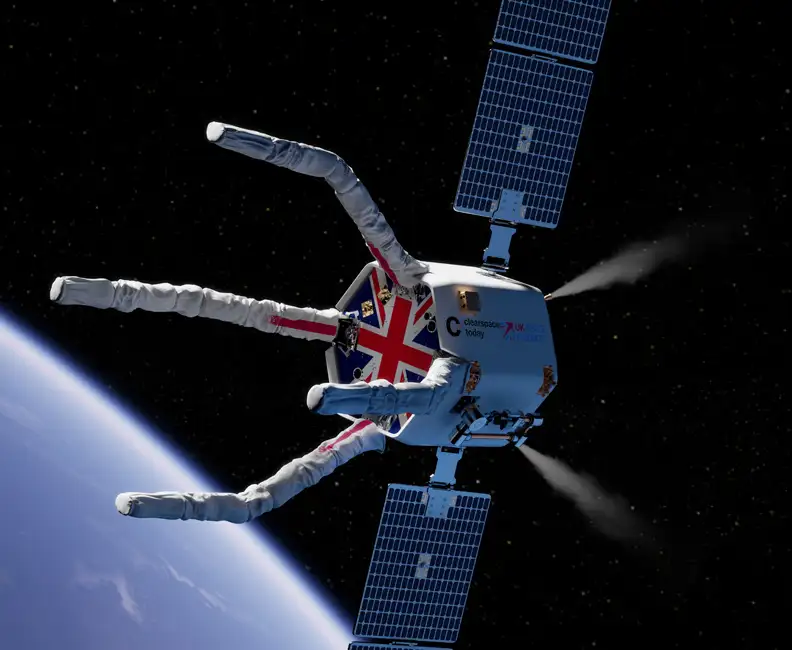
Game-Changing Radar for the CLEAR Mission
Developing vital radar technology for the CLEAR mission, advancing space debris removal techniques to safeguard operational satellites and spacecraft.
Read More
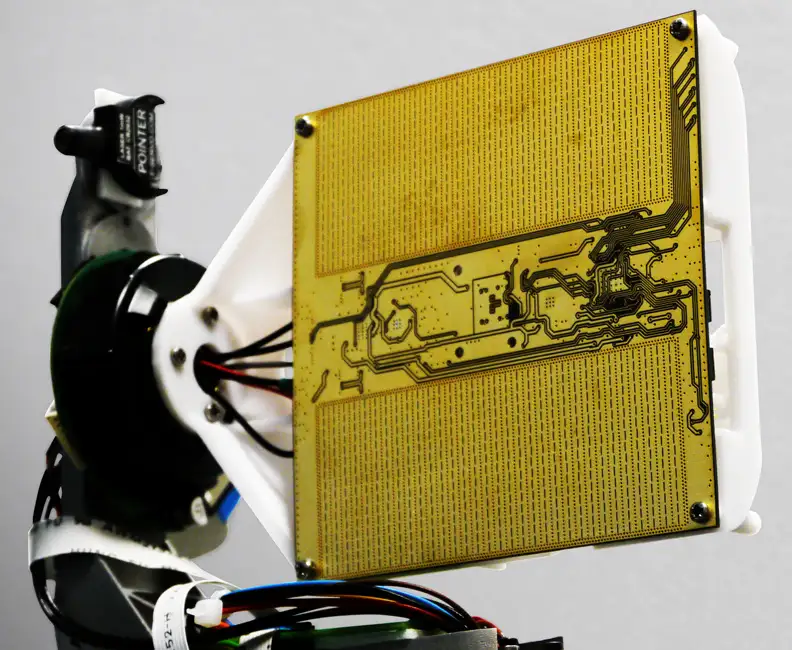
Millimetre-Wave Radar System
Expertly engineering a compact, high-performance 60 GHz millimetre-wave radar system using innovative Substrate Integrated Waveguide technology, achieving significant advancements in target detection up to 100 metres.
Read More
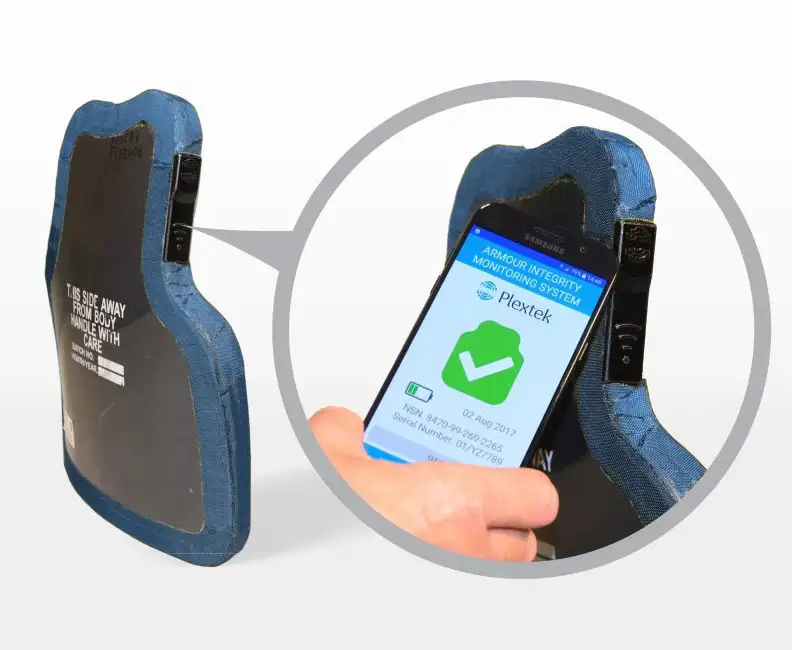
Armour Integrity Monitoring System (AIMS)
Innovating a new Armour Integrity Monitoring System (AIMS) for the UK MoD, delivering a low SWaP-C solution that dramatically streamlines logistics and enhances protection through in-field armour integrity checks.
Read More
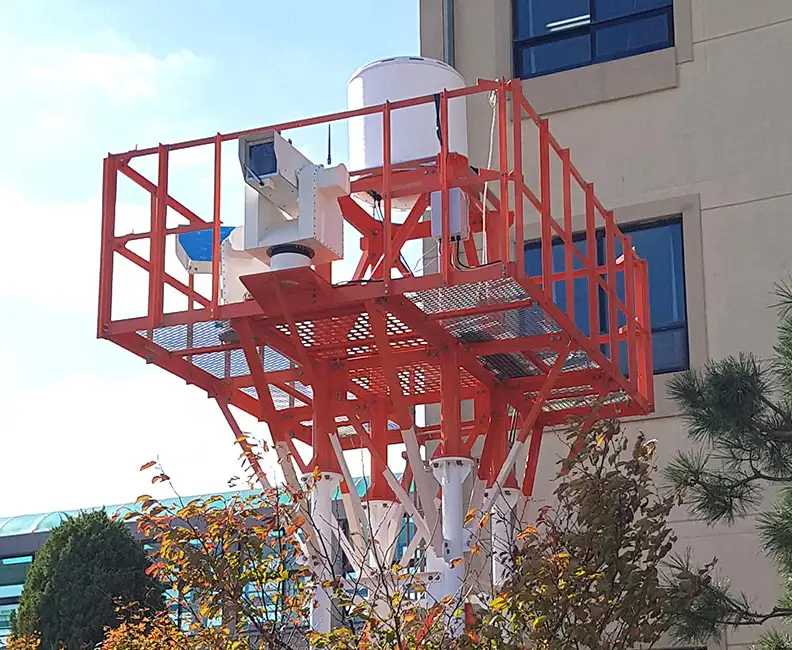
mmWave Radar for Foreign Object Debris Detection
Collaborating with WaveTech to develop an advanced mmWave radar system, enabling the rapid and automated detection of foreign object debris on runways, enhancing safety and operational efficiency at a South Korean airport.
Read More

Intelligent Mobility
Advancing intelligent mobility by integrating cutting-edge electronic-scanning radar technology to ensure the safe and efficient operation of autonomous vehicles in complex real-world environments.
Read More
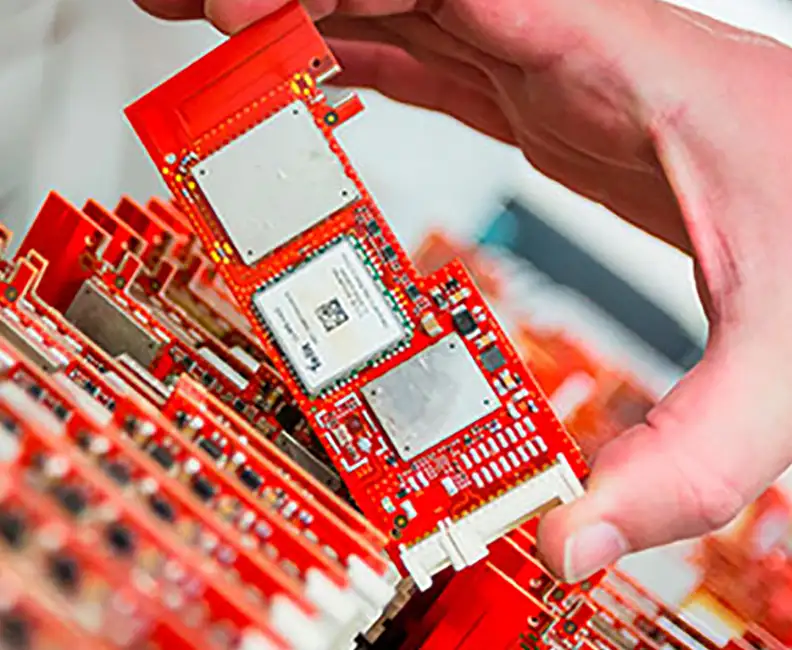
Vehicle Asset Management System
Designing a vehicle asset management system with custom-designed, multi-band cell and GPS antenna architecture, tightly integrated onto a PCB to meet stringent performance standards for the automotive insurance market.
Read More