How technology transfer is reshaping sovereign security

Written by Dan Gardner
Solutions Lead
Specialising in radar and sensing solutions for defence and security applications
From automotive to critical infrastructure, cross-sector technology transfer is reshaping sovereign security
The challenge of monitoring Critical National Infrastructure (CNI) is evolving at speed. As nuclear decommissioning sites progress through their lifecycle, security risks decrease, yet traditional high-security monitoring systems remain expensive and resource-intensive. This creates an opportunity for innovative technology transfer which we’ve been exploring through our collaboration with Espanaro.
The technical challenge
The Nuclear Decommissioning Authority (NDA) faces a unique engineering problem: how to maintain effective monitoring across 17 UK nuclear sites whilst reducing costs as security requirements change. Traditional approaches were designed for peak-risk scenarios, making them increasingly disproportionate as sites progress through decommissioning.
Working within UK Defence Innovation (UKDI)’s Remote Monitoring of Sensitive Sites Challenge, we needed to develop an Autonomous Security Alarm and Interdiction Network (ASAIN) that could integrate multiple technologies on a single platform whilst maintaining detection reliability.
Cross-sector innovation in practice
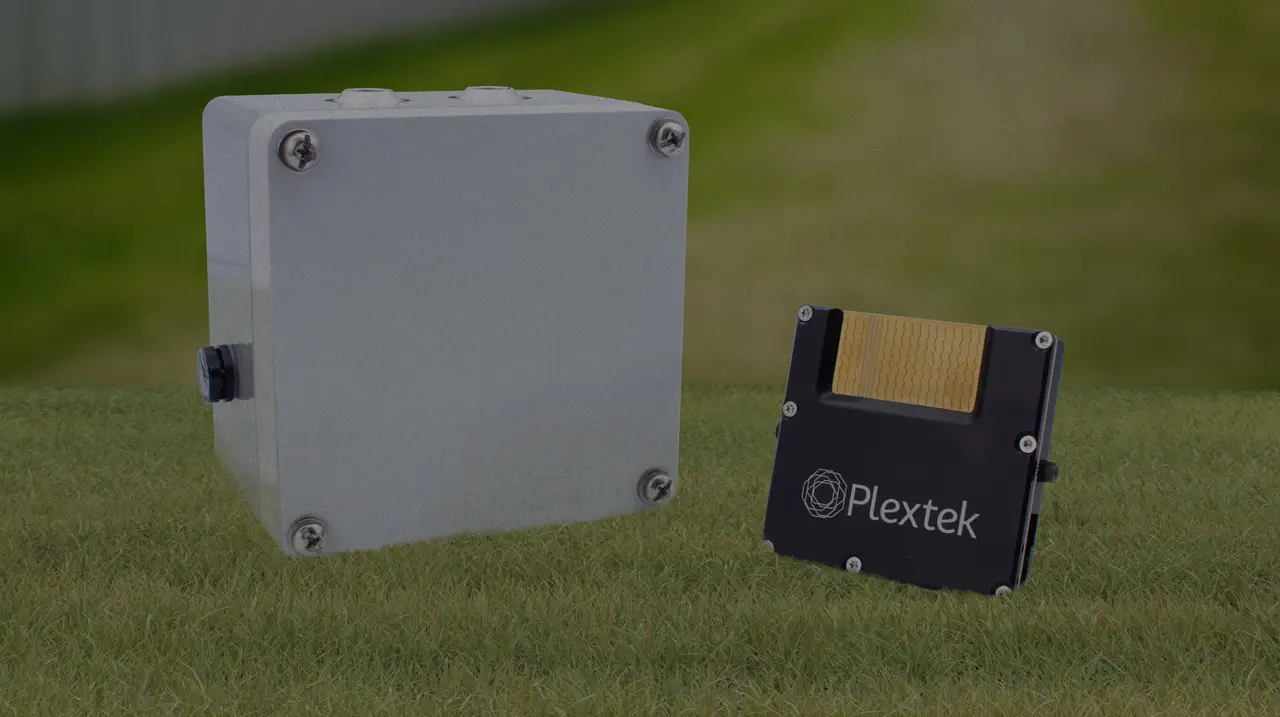
The solution demonstrates how proven commercial technology can be successfully adapted for critical infrastructure applications. We integrated our configurable mmWave low-SWaP radar technology with Espanaro’s Consilium automated security and command platform, creating an intelligent monitoring system that scales responses to real-world site requirements.
The radar technology itself exemplifies successful cross-sector transfer. Originally developed for automotive applications, the Texas Instruments mmWave sensors demonstrated during the trial the reliability and performance required for nuclear site monitoring whilst significantly reducing deployment costs compared to traditional security systems. This approach uses established supply chains and proven field reliability from automotive deployment experience.
Technical results and integration
Initial deployment results have demonstrated the viability of our approach. Four mmWave radars provided effective site coverage during the trial, with zero hardware failures during deployment and a significant reduction in false positives from vegetation clutter. Following integration, all units maintained stable detection messaging throughout structured testing phases.
Integration with Espanaro’s Consilium platform was successfully achieved following comprehensive development work, enabling multi-sensor data fusion, automated compliance monitoring, and centralised command control within a single, sovereign system architecture. During the trial, Consilium’s automated policy management demonstrated the capability to enable proportionate security responses that adapt to changing site requirements whilst maintaining the stringent compliance standards essential for critical infrastructure.
Engineering lessons and broader applications
This project offers several valuable insights for engineers working on similar challenges:
- Technology Transfer methodology: Commercial-grade sensors can be elevated to meet stringent security requirements when properly integrated with intelligent management platforms. The key is understanding how to adapt existing capabilities rather than developing from scratch.
- Scalable architecture: Following successful multi-sensor integration, our four-unit coverage model demonstrates the potential for effective site coverage when combined with intelligent processing platforms. This scalability is crucial for organisations managing multiple sites with varying requirements.
- Environmental performance: Real-world validation in challenging RF environments confirmed that proper clutter rejection algorithms can significantly reduce false alarms whilst maintaining detection sensitivity.
- System integration: The successful radar-to-platform integration demonstrates a methodology for connecting sensing hardware with automated management systems, with potential to reduce operational overhead whilst enhancing compliance.
Strategic impact
This successful collaboration aligns with the NDA’s Innovation Strategy, demonstrating how intelligent sensing combined with automated decision-making can replace resource-intensive methods. The approach supports a proportionate shift in security posture, delivering long-term cost savings whilst enhancing safety and ensuring compliance.
The project now enters a 12-month evaluation at an NDA site, which will enable technical validation, gather long-term reliability data, and assess cost-benefit metrics to inform broader deployment decisions across the nuclear estate.
Building smarter security solutions
As critical infrastructure operators seek more efficient monitoring solutions, the principles demonstrated in this project offer a replicable model. The combination of proven commercial sensing technology with intelligent automated platforms creates opportunities to enhance security whilst reducing operational burden.
The success of cross-sector technology transfer in this application suggests broader potential across infrastructure monitoring challenges. By using established commercial technologies and adapting them through intelligent integration platforms, we can accelerate innovation whilst reducing development risks and costs.
For engineers working on similar challenges, the key insight is that innovation often comes not from developing entirely new technologies, but from intelligently adapting proven solutions to meet new requirements. This project demonstrates this principle in practice, delivering real value through thoughtful technology integration rather than revolutionary new development.
Speak to the team
Need an expert? We specialise in radar and sensing solutions for defence and security applications.
Winning the Invisible War: The Rise of Electronic Warfare
Forces must train to operate, fight, and command when the spectrum is contested.
International Patent Grants for Pain Management Technology
Plextek engineers named as co-inventors on newly granted patents underpinning the first clinically validated, non-pharmaceutical wristband for chronic pain management
How technology transfer is reshaping sovereign security
From automotive to critical infrastructure, cross-sector technology transfer is reshaping our sovereign security
How Do You Radiation-Test a Complex IC?
Rigorous radiation characterisation is what makes the difference between a reliable device and one that fails unpredictably

Plextek Receives a King’s Award for Enterprise for Innovation 2026
Plextek has been honoured with a King's Award for Enterprise for Innovation
Designing sensing technology for space
Space radar has to survive radiation, shed heat without air, and work autonomously with no margin for error. Here's how the engineering trade-offs work.

The importance of GNSS Resilience in Modern Warfare
A single day of GNSS disruption could cost the UK economy over £1.4 billion. As jamming and spoofing become tools of hybrid warfare, layered PNT resilience is no longer optional.

Seeing Clearly in Orbit: The Turning Point for Space Radar
Richard Jacklin explores why 2026 is a turning point for compact radar in space, covering SAR, debris detection, 6G NTN communications and the UK skills gap.

Plextek Wins Place on MOD’s DDAD Framework
Plextek Selected for £180M DDAD Framework Supporting British Army's ASGARD AI Decision-Making Programme
Radar in Modern Sensing: The Power of Sensor Fusion
Radar Sensor Fusion with Cameras and Lidar: Enhanced Sensing Technology for Autonomous Systems

mmWave radar: balancing resolution and practicality in space
mmWave radar offers the ideal balance for space applications, detecting small debris and spacecraft features with minimal power and no moving parts.
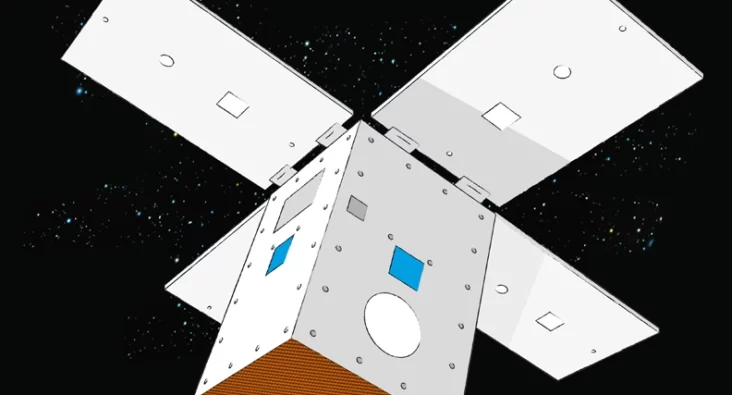
Beyond policy: how industry must deliver ESA’s Zero Debris Vision
Space needs to be kept clean, and this is becoming increasingly hard as commercial and defence activities ramp up.
You might be interested in
View All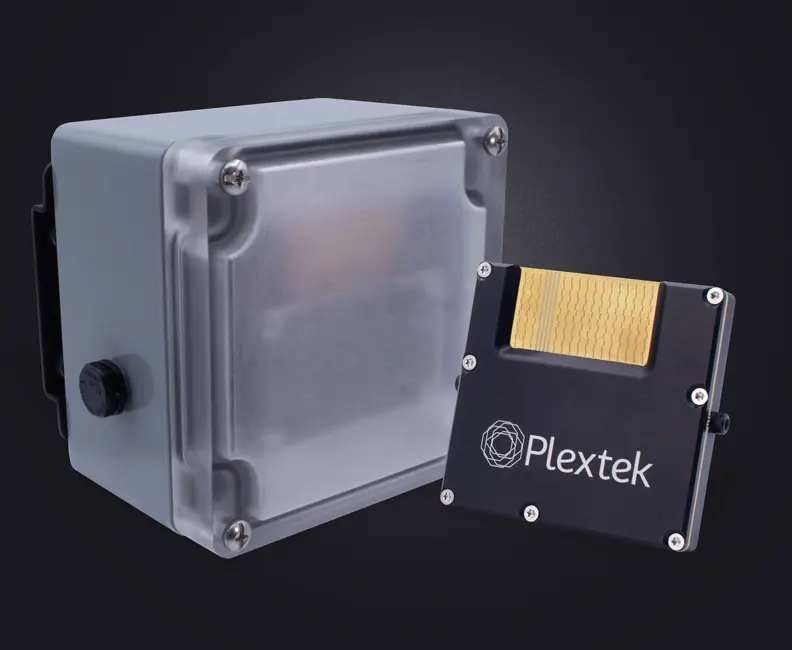
Autonomous Radar Networks for Critical Infrastructure Security
Our mmWave radar sensors integrated with AI-driven command and control to deliver autonomous, cost-effective security monitoring for UK nuclear decommissioning sites.
Read More
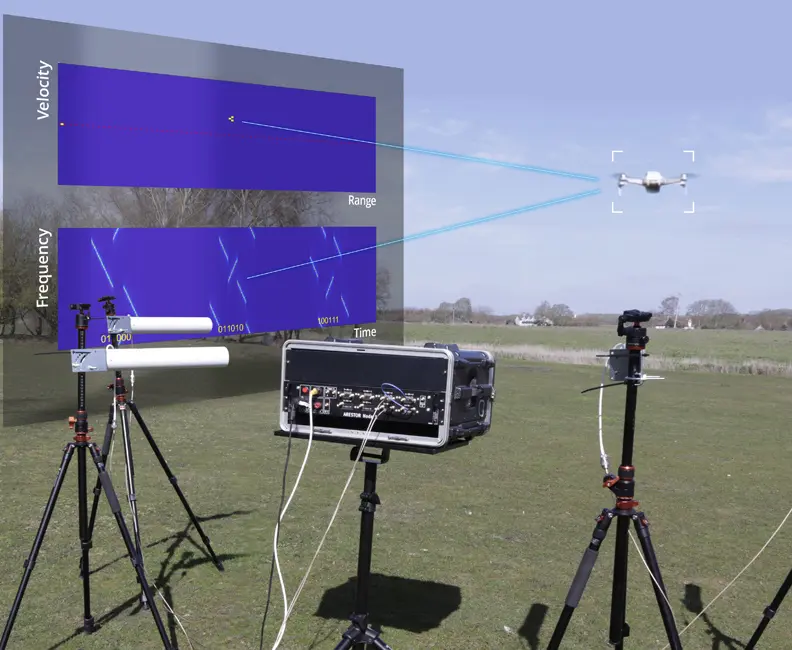
Integrated Sensing and Communication for FMCW Radar
Award winning frequency-hopping technique that embeds communication data into FMCW radar waveforms, enabling simultaneous sensing and data transmission from a single system.
Read More

Overcoming Training Data Bottlenecks in Thermal Imaging with Transfer Learning
Plextek's automated transfer learning approach generates labelled thermal datasets using colour camera AI models, eliminating costly manual annotation.
Read More
Using AI to Detect and Classify RF Signals in a Congested Environment
Developing AI-based RF signal classification systems, from algorithm development through to embedded real-time processing solutions
Read More

Concealed object detection for real-time parcel security screening
Concealed object detection for real-time parcel security screening with mmWave sensor design and manufacture, and real-time AI processing
Read More
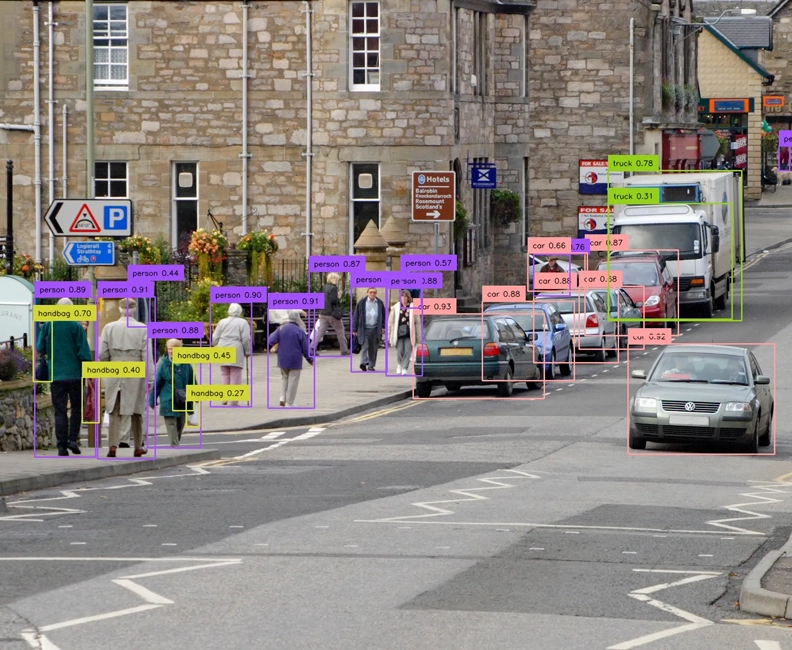
Optimising Radar Training with Machine-Assisted Machine Learning
See how Plextek is optimising radar training using automating data labelling & machine-assisted machine learning
Read More
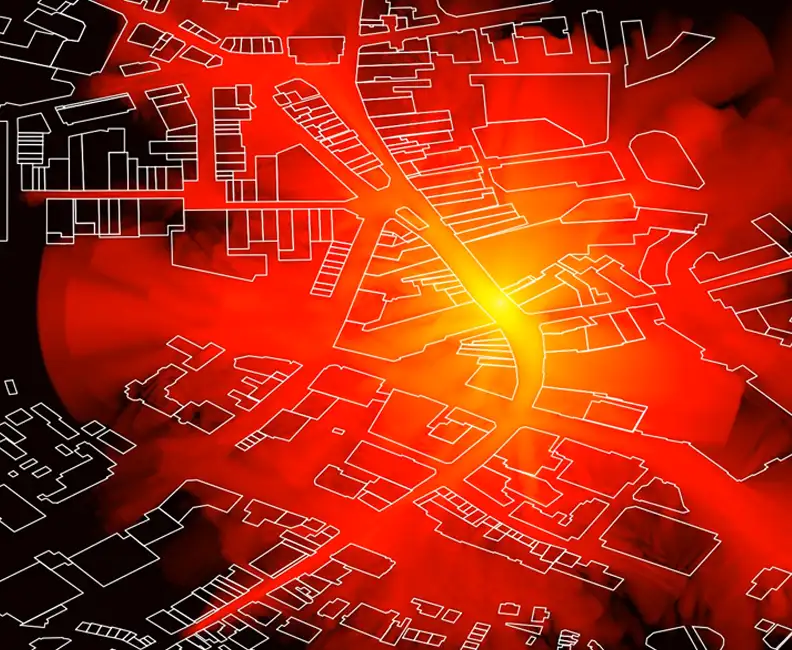
Machine Learning for Rapid Propagation Assessment
Developing a groundbreaking ML model for swift and efficient coverage prediction in complex urban environments, enabling rapid optimisation of transmitter locations on standard computing hardware.
Read More
Cost-Effective Improvement in mmWave Intensity
Enhancing the mmWave antenna design for Remedee Labs, significantly boosting RF radiation efficiency and cost-effectiveness in non-pharmaceutical chronic pain treatment.
Read More

Game-Changing Radar for the CLEAR Mission
Developing vital radar technology for the CLEAR mission, advancing space debris removal techniques to safeguard operational satellites and spacecraft.
Read More
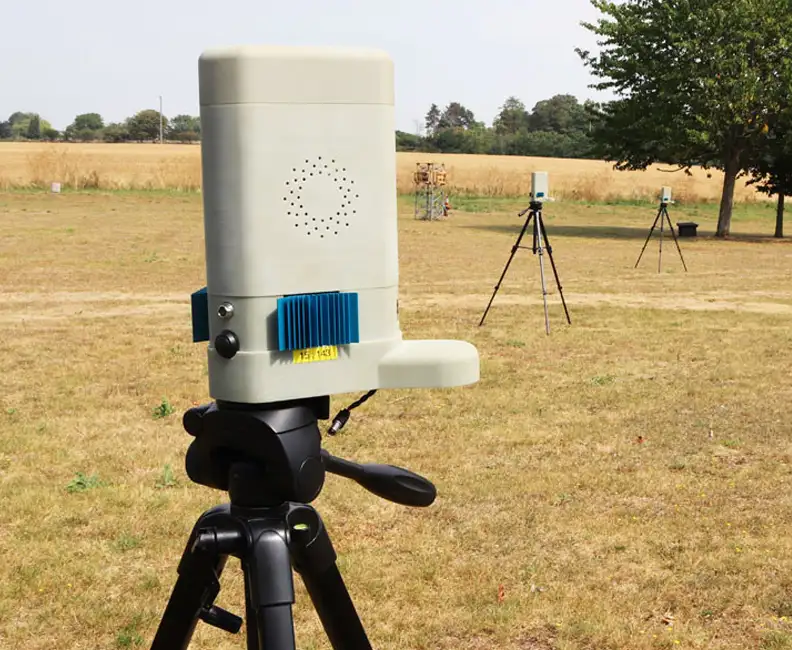
Future Sensing: Improving Mobile Ad-hoc Networks
Leading a transformative four-year research initiative to improve mobile ad-hoc networks through advanced directional antenna systems and cross-layer processing, significantly enhancing military communication capabilities.
Read More
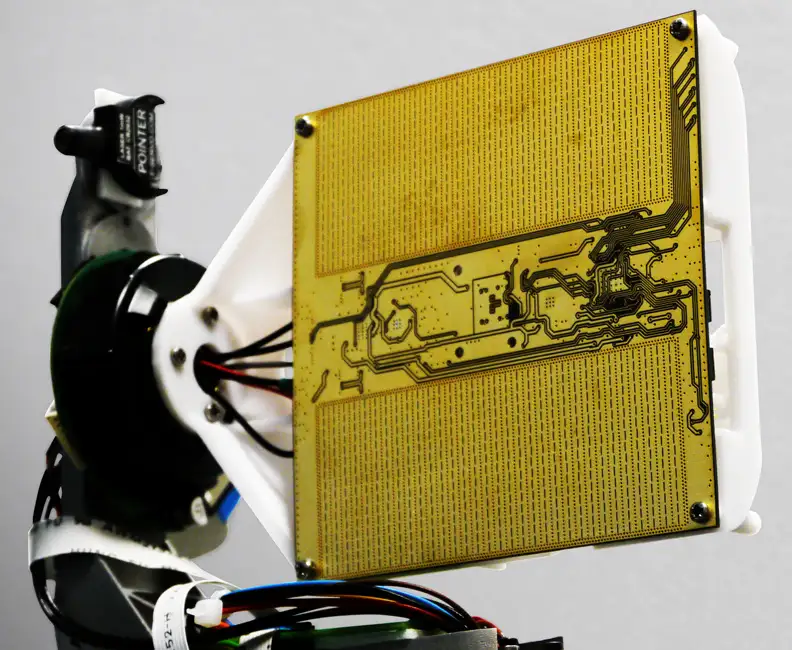
Millimetre-Wave Radar System
Expertly engineering a compact, high-performance 60 GHz millimetre-wave radar system using innovative Substrate Integrated Waveguide technology, achieving significant advancements in target detection up to 100 metres.
Read More
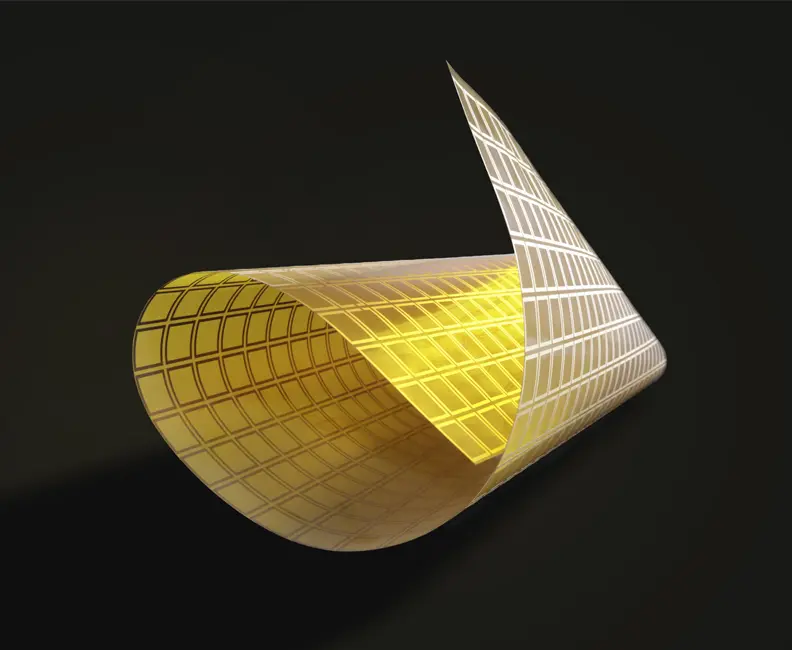
Communicating Across Surfaces
Using innovative expertise in metamaterials to facilitate the development of advanced surfaces, improving RF communication efficiency through pioneering surface wave technology for superior antenna design and wireless connectivity.
Read More