Driving Radar Innovation for Space in the CLEAR Mission


Written by Richard Jacklin
Commercial Lead – Space & Satellite
Plextek drives space radar innovation in the CLEAR mission
With the successful completion of Phase 2 of the mission CLEAR, led by in-orbit servicing company ClearSpace, we are proud to announce our pivotal role in achieving the major technological milestones that bring the mission closer to reality.
At the heart of phase 2 was the continued development and simulation of the Guidance, Navigation and Control (GNC) and the enabling sensors. For this, we were responsible for maturing the design of a key GNC sensor, the mmWave radar, optimising the antenna mechanical structure for robustness and reliability under the extreme conditions of space operation. Through simulation, we confirmed the antenna’s electromagnetic properties, which was crucial for advancing the antenna’s Technology Readiness Level (TRL) for the mission. Additionally, we further developed the software and protocol interface between the radar and the servicing satellite’s on-board computer. Throughout this crucial development, open standards were utilised where possible.
“Completing this crucial phase of de-risking and refining the rendezvous and proximity operations radar antenna and interface brings us one step closer to providing ClearSpace with a significant advantage in their sensor suite for in-orbit servicing and debris management.” Richard Jacklin, Space & Satellite Commercial Lead at Plextek.
According to ClearSpace’s earlier announcement in May, Ray Fielding, Head of Sustainability, UK Space Agency, said “This is a significant milestone in our national ADR programme, and we are delighted that ClearSpace and partners have successfully delivered all requirements in this de-risking-focused phase of work. We are now entering a particularly exciting period of further innovation which further supports our prioritisation of space sustainability and development of a national ISAM capability.”
“The CLEAR mission represents more than just debris removal – it marks a critical step toward establishing a fully operational, UK-led in-orbit servicing capability,” said Rory Holmes, UK Managing Director at ClearSpace. “Achieving this milestone is a direct result of the commitment, expertise, and collaboration between our team and our trusted partners. ClearSpace has worked closely with leading organisations across the industry, and these partnerships have been instrumental to the mission’s success – driving innovation, supporting UK job creation, and contributing to long-term economic growth.”
Plextek remain committed to supporting pioneering solutions that promote space sustainability and drive long-term economic growth for the UK space sector.
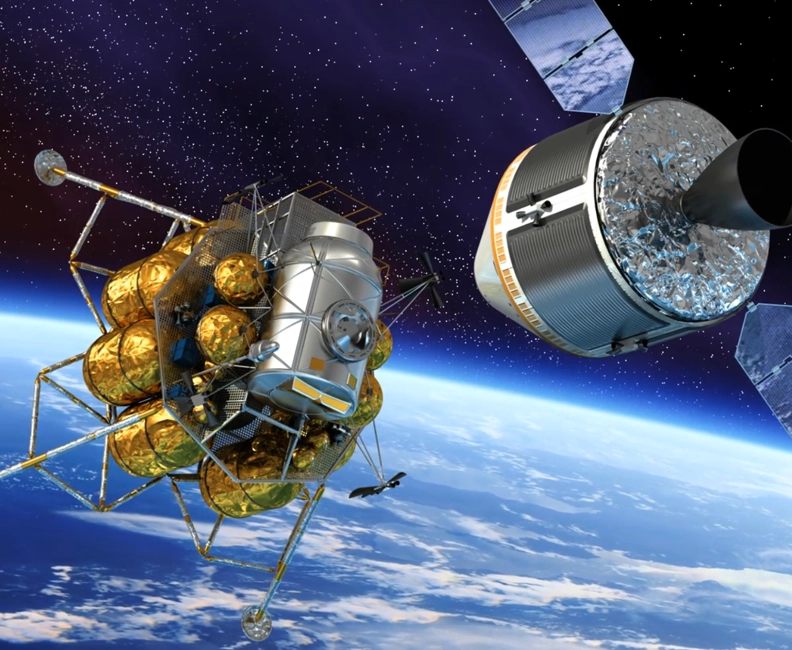
Rendezvous and Proximity Operations
Read more on how Plextek is delivering Rendezvous and Proximity Operations (RPO) radar solutions for space

Debris Detection
Our advanced technology solutions are providing precise and real-time monitoring of space debris.

Winning the Invisible War: The Rise of Electronic Warfare
Forces must train to operate, fight, and command when the spectrum is contested.

Passive Radar for Detecting Aircraft Without Emitting
Passive radar aircraft detection without signal emission; solving direct path interference for silent, persistent air surveillance.
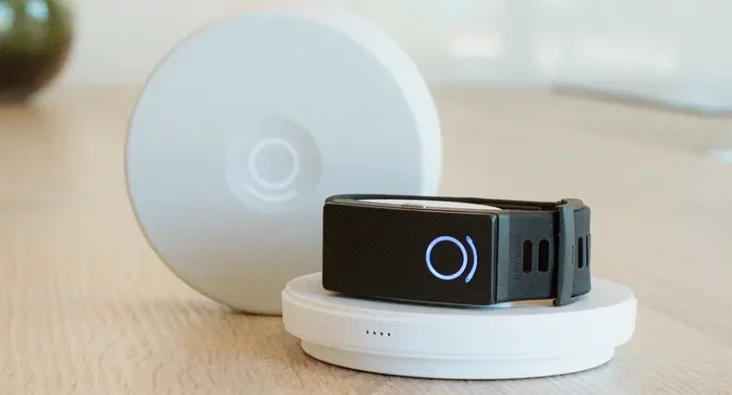
International Patent Grants for Pain Management Technology
Plextek engineers named as co-inventors on newly granted patents underpinning the first clinically validated, non-pharmaceutical wristband for chronic pain management
How technology transfer is reshaping sovereign security
From automotive to critical infrastructure, cross-sector technology transfer is reshaping our sovereign security
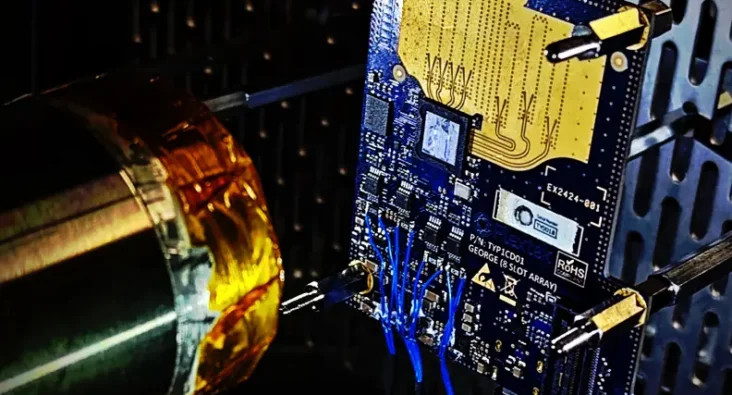
How Do You Radiation-Test a Complex IC?
Rigorous radiation characterisation is what makes the difference between a reliable device and one that fails unpredictably

Plextek Receives a King’s Award for Enterprise for Innovation 2026
Plextek has been honoured with a King's Award for Enterprise for Innovation

Why the Best RF Design Removes the Problem Entirely
Vlad Lenive, Lead RF Systems Engineer, brings 30 years of experience from Skynet 5 to sub-THz arrays. He talks HAPS, low-SWaP design, and why the best RF architectures eliminate components rather than shrink them.
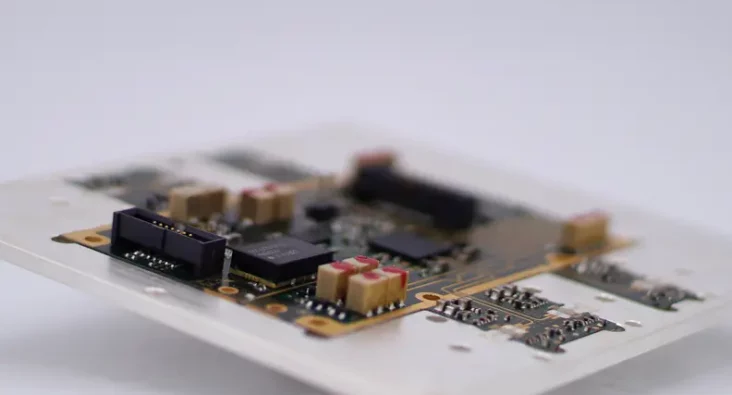
Designing sensing technology for space
Space radar has to survive radiation, shed heat without air, and work autonomously with no margin for error. Here's how the engineering trade-offs work.

Seeing Clearly in Orbit: The Turning Point for Space Radar
Richard Jacklin explores why 2026 is a turning point for compact radar in space, covering SAR, debris detection, 6G NTN communications and the UK skills gap.
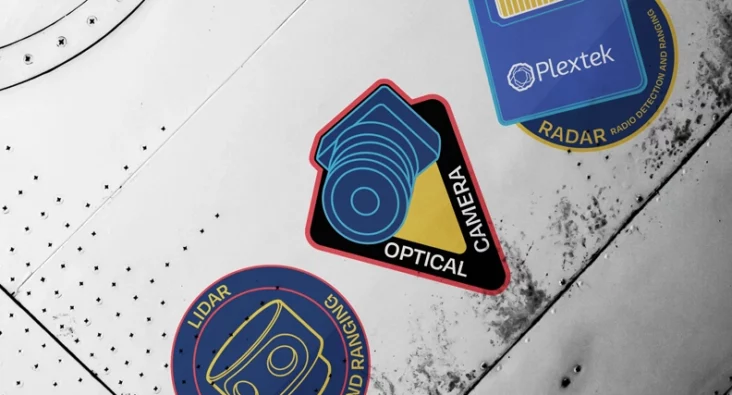
Radar in Modern Sensing: The Power of Sensor Fusion
Radar Sensor Fusion with Cameras and Lidar: Enhanced Sensing Technology for Autonomous Systems

mmWave radar: balancing resolution and practicality in space
mmWave radar offers the ideal balance for space applications, detecting small debris and spacecraft features with minimal power and no moving parts.
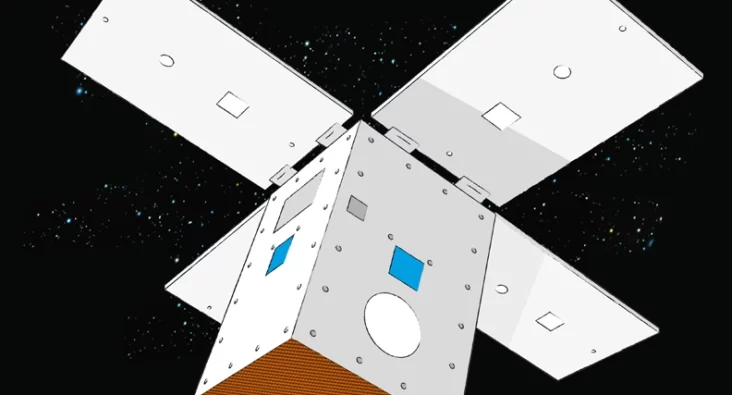
Beyond policy: how industry must deliver ESA’s Zero Debris Vision
Space needs to be kept clean, and this is becoming increasingly hard as commercial and defence activities ramp up.
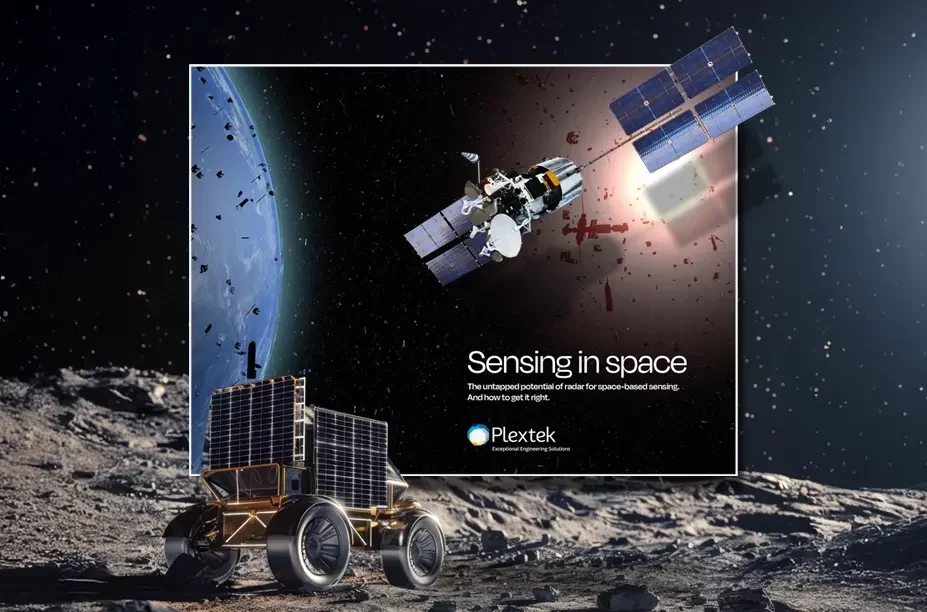
Technical Paper – Sensing in Space
Explore the cutting-edge technology of mmWave radar and its impact on space missions in our technical paper “Sensing in Space”. Gain insights into safety and efficiency improvements, customization options, and performance optimization. Stay informed about the latest advancements in space technology.


Got a project in mind?
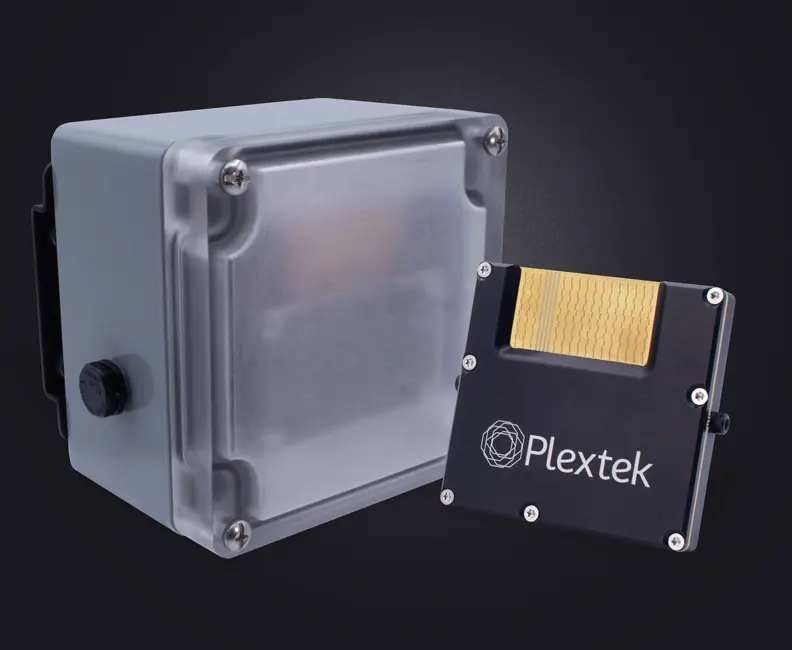
Autonomous Radar Networks for Critical Infrastructure Security
Our mmWave radar sensors integrated with AI-driven command and control to deliver autonomous, cost-effective security monitoring for UK nuclear decommissioning sites.
Read More
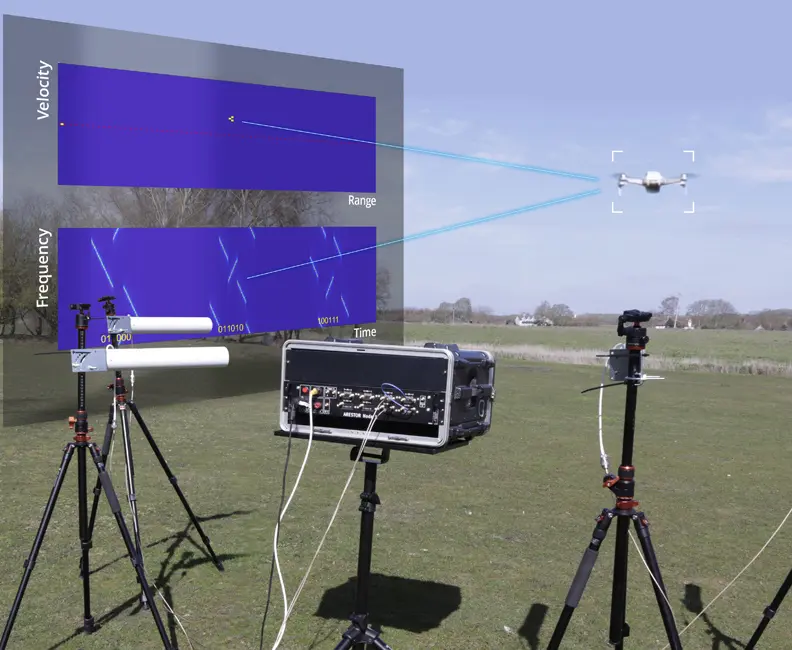
Integrated Sensing and Communication for FMCW Radar
Award winning frequency-hopping technique that embeds communication data into FMCW radar waveforms, enabling simultaneous sensing and data transmission from a single system.
Read More
Using AI to Detect and Classify RF Signals in a Congested Environment
Developing AI-based RF signal classification systems, from algorithm development through to embedded real-time processing solutions
Read More

Concealed object detection for real-time parcel security screening
Concealed object detection for real-time parcel security screening with mmWave sensor design and manufacture, and real-time AI processing
Read More
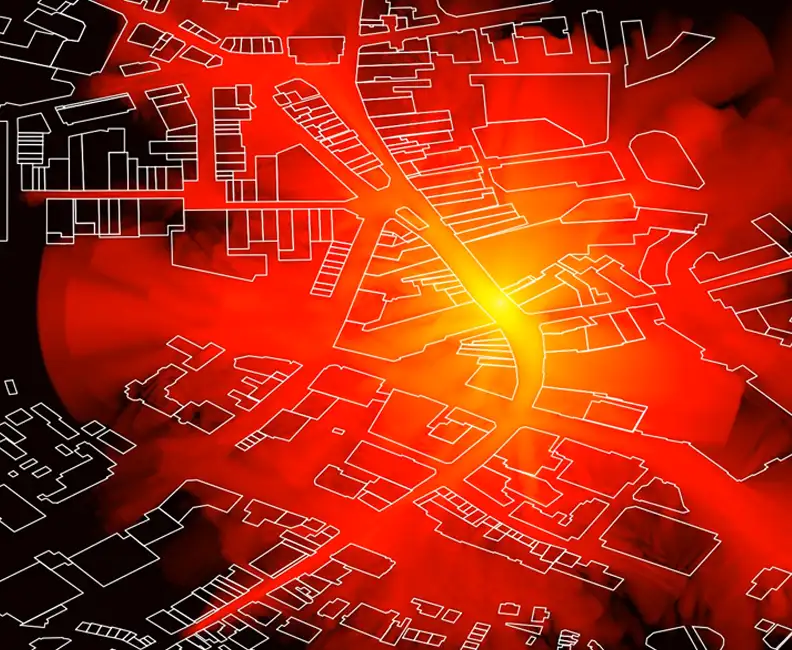
Machine Learning for Rapid Propagation Assessment
Developing a groundbreaking ML model for swift and efficient coverage prediction in complex urban environments, enabling rapid optimisation of transmitter locations on standard computing hardware.
Read More
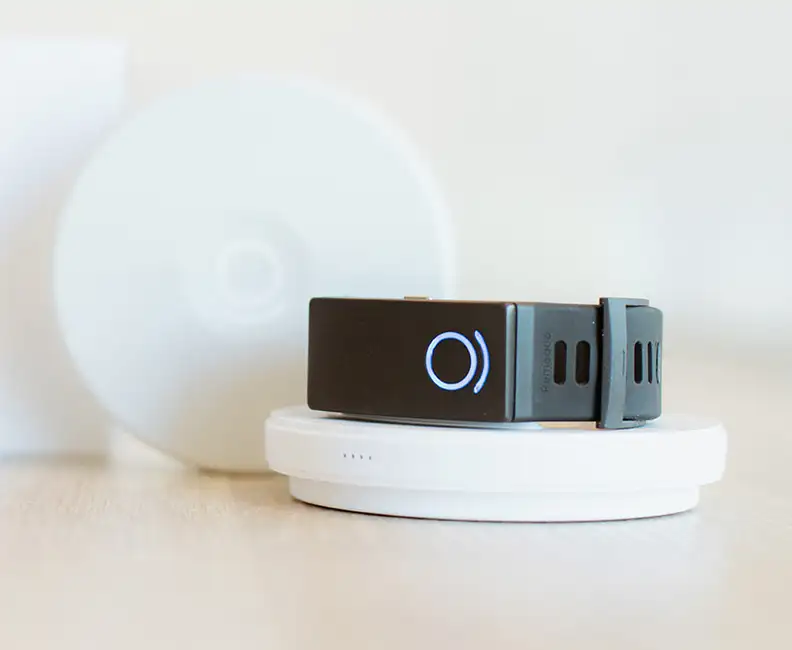
Cost-Effective Improvement in mmWave Intensity
Enhancing the mmWave antenna design for Remedee Labs, significantly boosting RF radiation efficiency and cost-effectiveness in non-pharmaceutical chronic pain treatment.
Read More
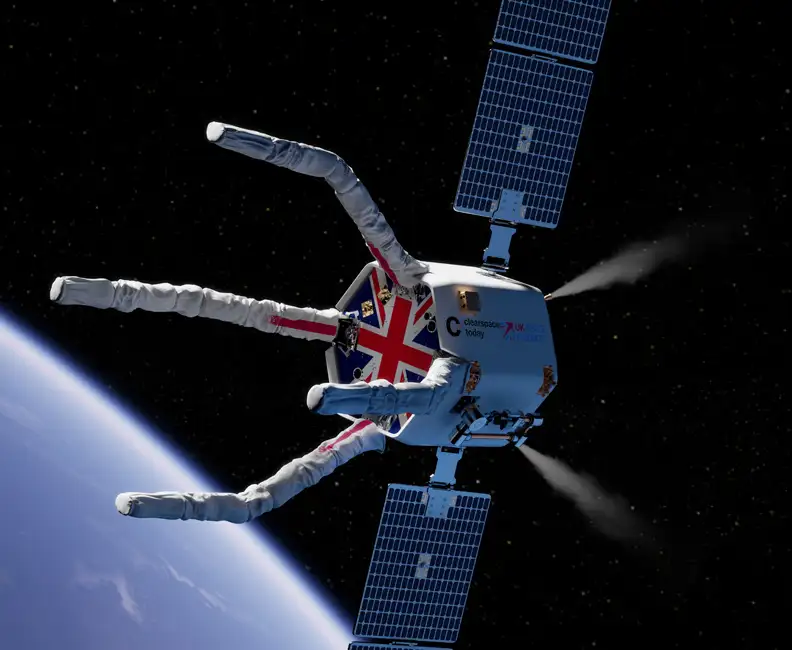
Game-Changing Radar for the CLEAR Mission
Developing vital radar technology for the CLEAR mission, advancing space debris removal techniques to safeguard operational satellites and spacecraft.
Read More
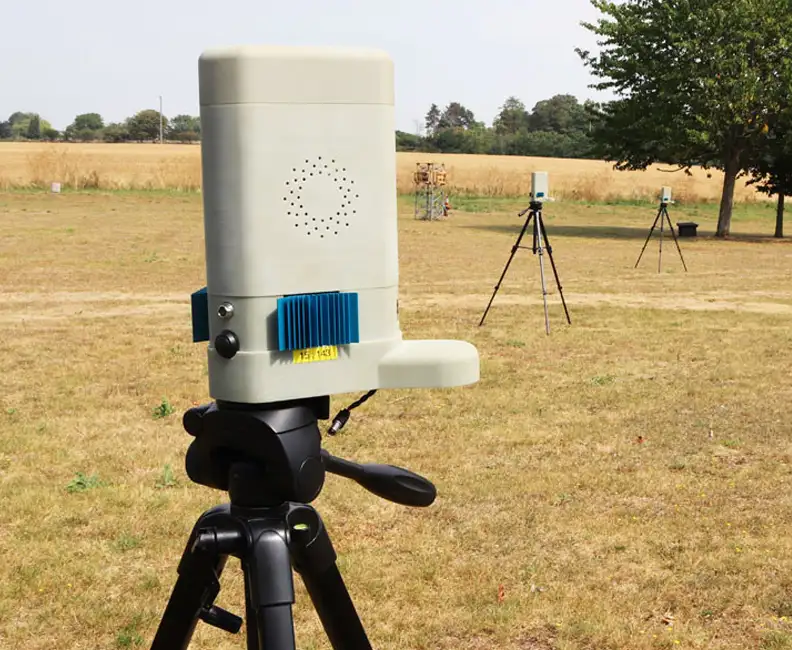
Future Sensing: Improving Mobile Ad-hoc Networks
Leading a transformative four-year research initiative to improve mobile ad-hoc networks through advanced directional antenna systems and cross-layer processing, significantly enhancing military communication capabilities.
Read More
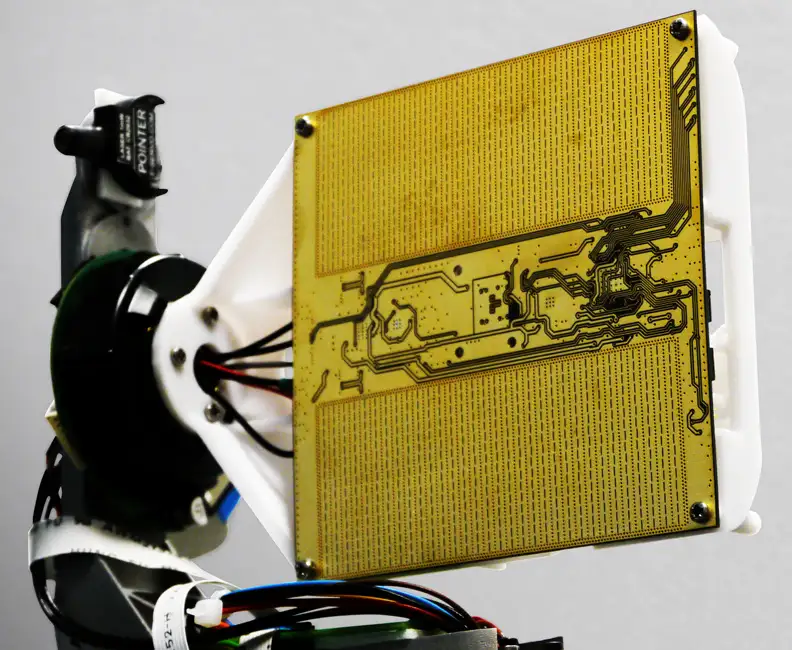
Millimetre-Wave Radar System
Expertly engineering a compact, high-performance 60 GHz millimetre-wave radar system using innovative Substrate Integrated Waveguide technology, achieving significant advancements in target detection up to 100 metres.
Read More
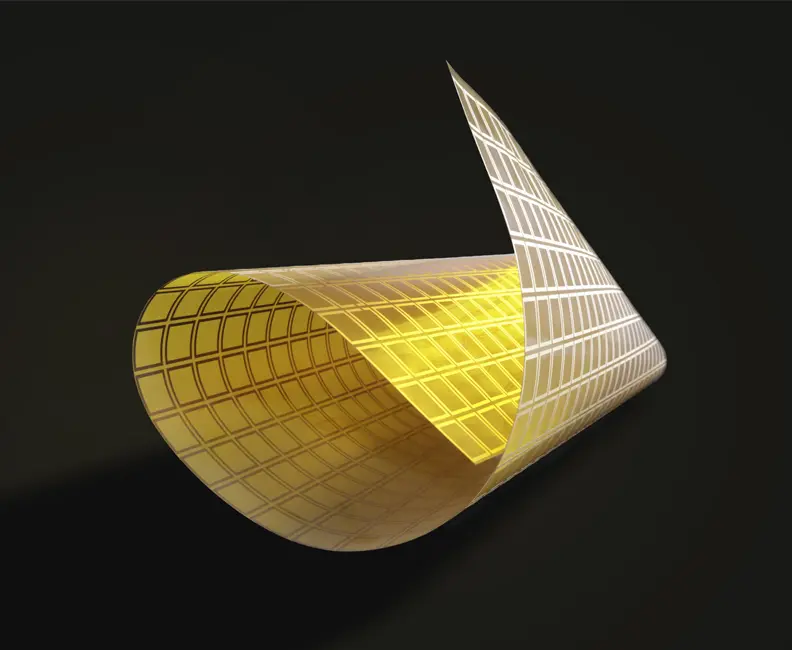
Communicating Across Surfaces
Using innovative expertise in metamaterials to facilitate the development of advanced surfaces, improving RF communication efficiency through pioneering surface wave technology for superior antenna design and wireless connectivity.
Read More
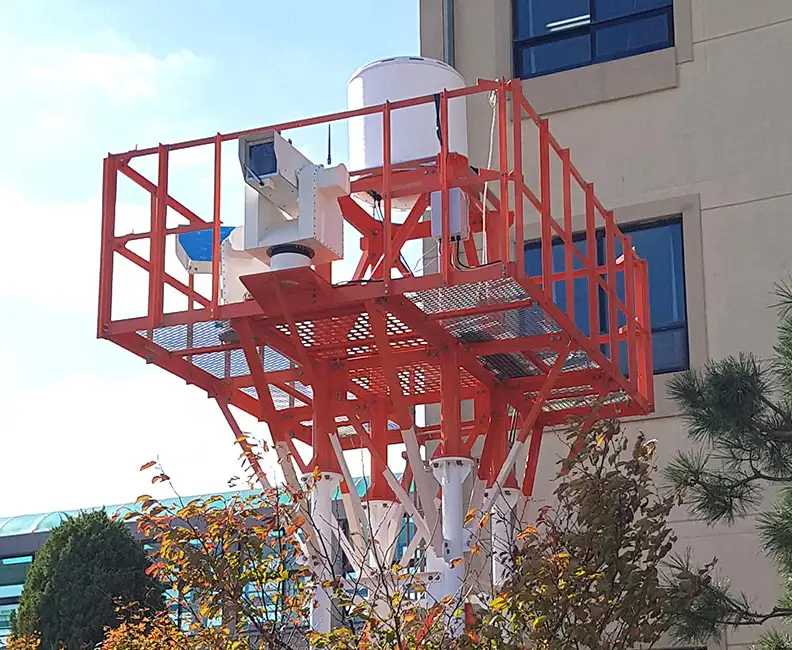
mmWave Radar for Foreign Object Debris Detection
Collaborating with WaveTech to develop an advanced mmWave radar system, enabling the rapid and automated detection of foreign object debris on runways, enhancing safety and operational efficiency at a South Korean airport.
Read More
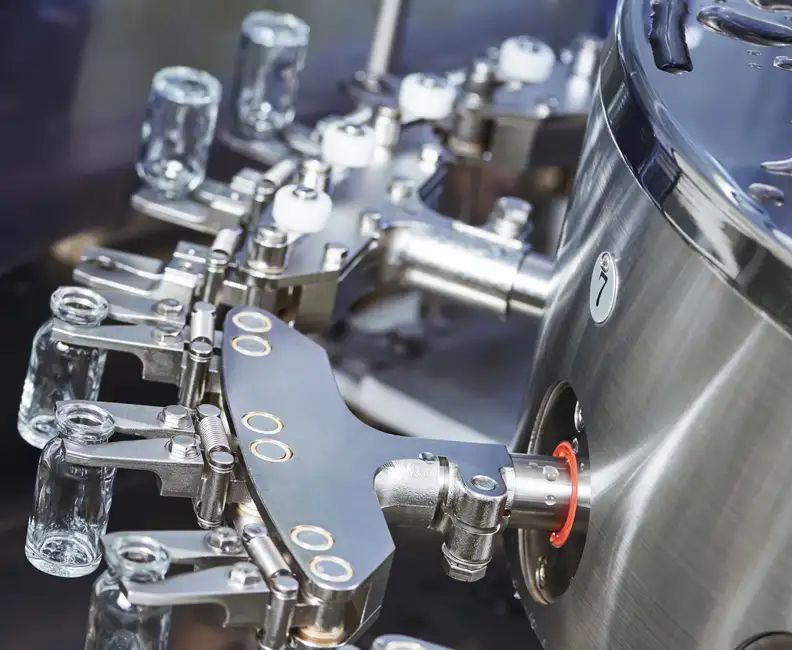
Developing Automated Manufacturing Systems
Delivering a pioneering predictive maintenance solution for a global healthcare product company, utilising miniature battery-powered sensor systems to optimise automated production lines and significantly reduce costly downtimes.
Read More